  Luck, Art & Science  Q&A with Nic Peterkin, winemaker at L.A.S. Vino L.A.S. Vino is known as one of Margaret River’s most cutting-edge labels. What was the inspiration, and have you achieved your goals? We started the project in 2013 with the aim of creating wines that were different and interesting, but also of very high quality. We wanted to push varieties or methods that weren’t common at the time and discover neglected, obscure, organic, and biodynamic vineyards with a raw beauty to them. Our goal was to respect and learn from what had already been done in the region, but also build upon it and challenge some of the traditional methods. We’ve achieved more than we ever imagined making these wines and are really proud of what’s in the glass. One of the original goals was also world domination. Now, with the Vinorium and the U.K., we’re almost there. L.A.S. stands for Luck, Art and Science. Can you tell us more about this ethos and how it impacts both your winemaking and the finished wines? The name and idea for L.A.S. Vino came from a vintage at Casa Madero in Mexico. Over a few wines, Oscar (the winemaker there) and I discussed how Australian wine had become industrial and needed a bit more art. I noted that Mexican wines, on the other hand, could apply a little more science. Then it started to rain, and we had fruit still on the vine. I thought, you always need luck too. And that was it: Luck, Art & Science — L.A.S. Vino. Day-to-day, we try to apply the art in wine by pushing boundaries in winemaking, but it’s always guided by science. We aim to make wines that are interesting, but always of the highest quality. With great pioneers of Margaret River wine on both sides of your family tree (Dr. Mike Peterkin, founder of Pierro, is your father, and Kevin and Diana Cullen are your grandparents), how were your early years in such a legendary winemaking family? Did it, or I’ve never felt any pressure. I do want to make wines on a similar quality level to those of my aunt, father, and grandparents. I feel lucky to be part of a family in wine. To me, there’s less of the “legendary” aspect that others see. They’re just my family. 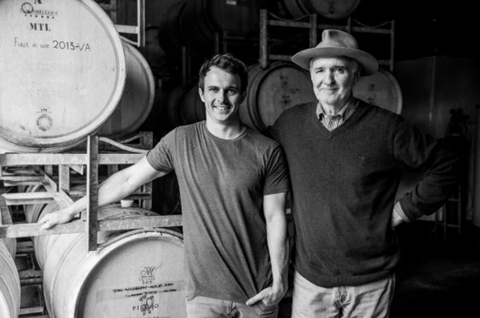 Your father was renowned for his unconventional approach to growing and making wine. Did It’s funny you mention that. In his day, he was very willing to take unconventional approaches In the 80s people thought he was mad for barrel-fermenting Chardonnay. Now, that same High-density vineyards were another example. He was criticised heavily back then. Other So the lesson is this: wine is a very traditional profession. Change isn’t embraced easily. That doesn’t mean it isn’t necessary. There’s opportunity in doing the opposite of what’s conventional. Change is the only constant in life. But — and this is key — if you want to push boundaries, you must be guided by science, logic, and thought. This is where Luck, Art, and Science (L.A.S.) really guide all the wines at L.A.S. Vino. It seems from your initial choice of degrees that you were tempted by a career outside of the wine world. What inspired this and what ultimately brought you back to wine? At first, wine felt like my life’s direction had been set in stone, and I didn’t like that. I actively tried to fight it. Growing up in wine is not as romantic as it sounds. You weed vineyards, clean floors and drains, But working vintage meant you could put in intense hours for a short period, save some money, and then travel the world. On the other side of the world, you could do the same thing and keep the dream alive. Slowly, just by doing daily winery tasks over and over, you develop a skill set. But back then, winemaking was just a means to keep travelling. I did a double degree in Science and Commerce, majoring in microbiology, biochemistry, Eventually, I ran out of money and had to choose a career. So, reluctantly, I went to Adelaide to I finished the Masters in Mexico and the U.S., doing vintage while completing my final subjects. I now have a life in wine. Maybe it was predetermined, but on a deeper level I needed to “fail” at all those other potential careers to learn that this was, in fact, the career for me. With your unique insight, what can you tell us about the history of winemaking in Margaret River, and how does that history impact the quality of wine in the region today? Okay, but cut me some slack if history buffs poke holes in this. The Margaret River wine industry was founded by three doctors: Dr. Cullen at Cullen, Dr. Cullity at Vasse Felix, and Dr. Pannell at Moss Wood. Unlike many Australian regions founded by farmers, these doctors weren’t focused on yield. They cared about quality. They didn’t want to make the most wine, or the most money — they wanted to make the best wine. That ethos became the culture of the region. If you joined Margaret River, your goal was to produce the best possible wine you could. It’s one of the reasons Margaret River only produces 2% of Australia’s wine but accounts for about 10% of its value. The climate plays a huge role, of course, but so does this unwavering focus on quality. Today, the standard is so high that just to have a seat at the table you need to be producing incredible wines. For its size, Margaret River certainly punches well above its weight. With an entire lifetime of experience in the Margaret River wine industry, what changes have you seen, and what do you think is in store for the next 5–10 years? I think the tide is going out in the wine industry overall. Margaret River is a little more insulated, but not immune. You’re starting to see who has been swimming naked the whole time, just floating with the tide. Weaker producers will drop out of the market. Vineyards or varieties that aren’t working will be pulled. It will be painful in the short term, but in the long run, the industry will be in a better, more sustainable place. Margaret River will increasingly be dominated by varieties the region grows better than anywhere else in the world, made by winemakers and growers who have truly earned their place. Upon initial sampling, Stu described your Chenin Blancs as “stratospherically wonderful – the best examples of this varietal I have tasted in many years.” What can you tell us about your work with this varietal? I could talk about Chenin forever. Without Chenin, there wouldn’t be L.A.S. Vino. It was the only wine I wanted to make at the beginning. I saw a grape perfectly suited to the region that no one wanted. If it was made at all, it was blended (not named) or turned into sweet wine. During my Masters in Oenology at Adelaide, a South African winemaker introduced me to great South African Chenins — dry, barrel fermented, from old vines, made with care. They blew my mind. I’d never tasted Chenin like that before. The light bulb went off: Margaret River has old Chenin vines, we have the skill set — why isn’t anyone making wines like this? So, with the help of a South African friend, we made the first CBDB in 2013 — a blend of 85% Chenin, 7.5% Viognier, and 7.5% Sauvignon Blanc. Julia Harding, writing for Jancis Robinson, gave it 17.5/20 and wrote: “Rich, long, deep and appropriately named. An exciting wine.” Looking back, that was very kind of her. But that first wine got the attention of winemakers and writers, and showed that high-quality wine could be made from a grape most Australian producers ignored. That underdog spirit has driven me ever since. I’m drawn to vineyards that aren’t perfect but have raw beauty — places that make commercial vineyard managers squirm because the yields are low or the vines unmanaged. I’m drawn to risky, low-yield methods in the winery. Chenin became the starting point of a personal philosophy of winemaking. Since then, we’ve started an International Chenin Symposium & Sausage Sizzle to elevate the grape, and I was invited to speak at the International Chenin Congress in South Africa. I’ve seen Chenin grow in popularity with both winemakers and drinkers. Since 2018 we’ve been working with a certified organic/biodynamic vineyard, and the quality has gone up again. Each year we learn more about the grape and how to make it better. Each year the wines improve. I’ll stop here before this turns into a full love letter to the grape. But in short: I love Chenin, and you should too.  "A serious rendition and dripping in deliciousness. Fly me to my beloved Isle of Skye and serve me a plate of west coast langoustine and a bottle of this beauty…" 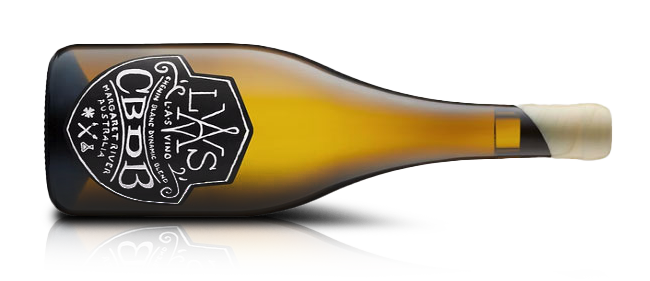 2024 L.A.S. Vino 'CBDB' Chenin Blanc Dynamic Blend Stuart McCloskey, tasted 10th October "Possibly, my favourite wine from the collection, and without hesitation, one of the best examples of Aussie Chenin Blanc I’ve had in years. The perfume shimmers beautifully – adorable in a restrained way. White pepper, crisp green apple, lemon verbena, tonic water, fresh fennel fronds, brined, green olives, a smidgen of passionfruit, nectarine, quince, and finishes with a wave of oceanic salinity. The palate unfurls slowly (do not overchill) and drives with the same level of restraint. Mid-weighted, but generous – lots of vim and vigour. Crisp orchard fruits, preserved, salted lemon, a pucker of chalk and grapefruit, sweet spice, a faint sense of anise / fresh tarragon, saline and finally comes to a close with a lovely slap of acidity. The flavours are long and will only get better with more bottle age. A serious rendition and dripping in deliciousness. Fly me to my beloved Isle of Skye and serve me a plate of west coast langoustine and a bottle of this beauty… Drink now to 2033. Don’t forget to pack a Zalto Burgundy glass, too… Best stemware whilst the wine is young." A certified organic and biodynamic site at the northern end of the cape. For the previous few years the vineyard has been completely unkept and unpruned with no trellising. The vines sprawl everywhere, and pigs, geese, guinea fowl and cows roam free. The site faces north with a little creek running through the middle of the vineyard. Native flowers and plants grow under the rows with no herbicides or pesticides sprayed and no cultivation. The vineyard is dynamic in every sense; biodynamic, characterised by constant change, full of attitude, energy and new ideas and may be a force that stimulates greater change within viticulture. WINEMAKING Careful and simple winemaking expresses the unique terroir of this site. The fruit was hand picked and showed varied levels of ripeness through the vineyard and crop, chilled overnight and hand sorted prior to being lightly cold pressed as whole bunches. The juice was left to naturally settle prior to a wild fermentation in mature french barriques and amphorae. No malolactic fermentation and fortnightly lees stirring prior to being bottled with no fining and a light filtration. £31.95 per bottle "This invigorates the senses. It’s powerful and provides buckets of complexity. Incredible, salty length too. Yes, please…" 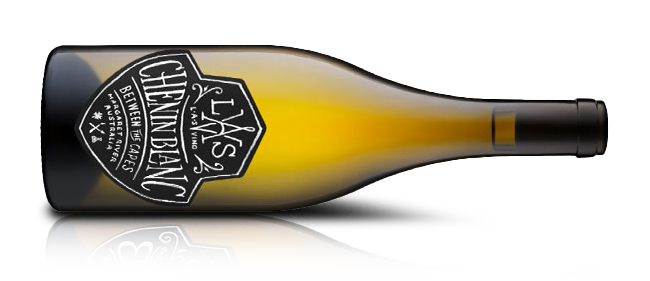 2024 L.A.S. Vino Chenin Blanc Stuart McCloskey, tasted 8th October 2025 "A maritime beauty that gently unfurls to fresh fennel, confit lemon, crisp apple, pithy grapefruit, wet stones, lots of saline along with subtle candle wax. Orange zest, quince, florals and ginger spice emerge with further aeration. The palate is wonderfully balanced, and I am loving the texture – it’s taut and does take some time to get going. I like the phenolic grip – pithy but in a refined way. Texturally, there is as much going on as the flavour (if not more). This invigorates the senses. It’s powerful and provides buckets of complexity. This taste of the sea – I adore the oyster shell brininess drenched in lemon… Incredible, salty length too. Yes, please… For the maximum enjoyment and impact – remove from the fridge, decant and serve in a large glass (Zalto Bordeaux or Burgundy). Cellaring? Today, this is delicious however, I believe the best years are to come. Drink now to 2030 / 2032." VINEYARD This wine brings together fruit from two distinct vineyards and three separate harvests.The first site—certified organic and biodynamic—was planted in 1992 at the northern tip of the cape. The vineyard faces north, with a creek winding through the middle, adding to its natural charm. We picked from this site twice, 20 days apart, to capture a spectrum of flavour and ripeness. The second vineyard lies in Willyabrup, with vines planted back in 1980. These grow in graniterich, red gravelly loam soils, right on the edge of the Willyabrup Brook. It’s a cooler site, sitting 80 metres above sea level, and produces beautifully loose bunches full of freshness and finesse. WINEMAKING Each batch of fruit was hand-picked with a wide range of ripeness levels—adding complexity and contrast. After chilling overnight, the bunches were carefully hand-sorted and lightly coldpressed whole. The juice was left to naturally settle before going into French barriques for fermentation. All were stirred fortnightly on lees to build texture and mouthfeel. The wine was bottled un-fined and only lightly filtered to keep things clean but honest. TASTE The CBDB is a single-vineyard, single-varietal expression. This Chenin Blanc, however, is a little more layered. It’s made from fruit across three very different vineyards in Margaret River, each bringing something unique to the mix. It’s a wine of texture, energy, and personality—with the kind of complexity that invites you back for another sip (and probably another bottle). £25.50 per bottle You made your first LAS wines over 12 years ago. What lessons have you learnt over the years and how have the wines developed? When you’re younger you want to put your imprint on the wines as a winemaker. The older I get the happier I am letting the vineyard and fruit speak and standing back a bit more. Its challenging as a winemaker. You only get one chance a year. Only about 50 shots at crafting a wine in your life and you have to wait a year to see the result of your efforts. With such little time I really focus on trying to make the best wine I can. What is one of the hardest things about winemaking year in and year out? Every year brings its own challenges, and every year they’re different. The growth comes from those challenges. Without them, there wouldn’t be a need for winemakers. In a good year, wines make themselves. It’s when hardships arise that you show your worth as a winemaker. For me, the hardest part is balancing work, family, and fun. What part of winemaking do you enjoy the most? Discovery. Starting with raw ingredients and watching them transform into something delicious. Two grapes of the same variety, picked the same day from different places, can taste completely different. Or experimenting with different yeasts from native flowers and discovering new flavours. The magic of it all is what excites me — the discovery, the travel, the people who come to Margaret River to help with vintage. The diversity of the job. Every day is remarkably different. In your opinion, who are the Aussie winemakers to keep an eye on? It feels a bit like looking at the lineup of a music festival — the older you get, the fewer of the “new, cool acts” you recognise. I think there’s a new movement of winemakers in Australia I don’t yet fully know, and I need to explore that more. That said, I’ll give a shoutout to my friend Theo of Trait Wines. His wines are pure, single vineyard, and just epic — from a site close to Margaret River. "You feel and taste the purity. Sensational, in one word. Shall I tell you something else? This is on-par with Leeuwin Art Series Chardonnay." 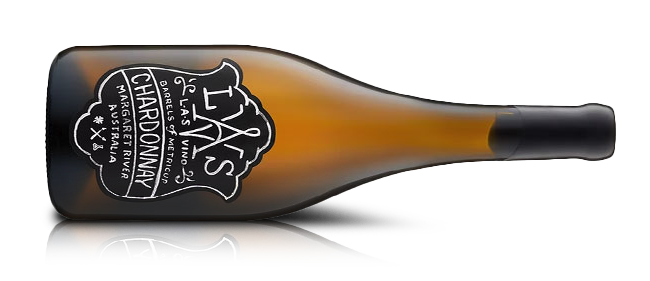 2024 L.A.S. Vino 'Barrels of Metricup' Chardonnay Stuart McCloskey, tasted 8th October 2025 "Already sold-out at the winery, which and after my third bottle, is easy to understand why. Shall I tell you something? In all my time as an Aussie specialist – I have never sampled two Chardonnays from the same vintage and producer that were so distinctive. The bouquet continues to give me goosebumps – the birthplace drives this wine forward with Meyer lemon, grapefruit, citrus blossom, ripe nectarine, the purist and saltiest, oceanic breeze imaginable, sweet, oak spice, freshly grated ginger, preserved lemon butter, waxy lemon, oodles of wet stones on a hot day, and tonic water if the rest wasn’t enough. Aeration and an increase in temperature elevates everything – The bouquet, the flavour and the all-encompassing texture. Big glass, too…. Do not serve in Zalto’s Universal stem (or similar shape). Flavours tow a linear line. There’s so much tingling minerality. You feel and taste the purity. Sensational, in one word. Shall I tell you something else? This is on-par with Leeuwin Art Series Chardonnay. Fact, in my humble opinion. Drink now to 2035. This will be incredible in 5-8-years." VINEYARD This is our fourth vintage working with fruit from this exceptional certified organic vineyard, nestled in the heart of Metricup, Margaret River. The vines—24-year-old ‘Gin-Gin’ clone Chardonnay—are planted in sandy loam topsoil over a mottled clay subsoil. This contrasts distinctly with the forest loam and mottled granite soils typical of Wilyabrup, highlighting the unique character of this site. WINEMAKING The fruit is hand-picked, chilled, and meticulously hand-sorted before being whole-bunch cold pressed. Fermentation and aging take place in barriques, 44% of which are new. Malolactic fermentation is intentionally avoided to preserve natural acidity, with fortnightly lees stirring adding texture and complexity. After 11 months in barrel, the wine is blended and allowed to settle in stainless steel before bottling. It is unfined and lightly filtered to retain purity and expression. TASTE A striking counterpoint to the 'Wildberry Springs' Chardonnay, this wine showcases the impact of sub-region, soil profile, climate, and fermentation vessel. Crafted from certified organic fruit and handled with a minimal intervention approach, it reflects the purity of its origin. The vineyard’s latitude delivers warm days tempered by cool nights, thanks to the Indian Ocean’s afternoon breezes. This diurnal shift gives the wine richness, weight, and generosity of flavour, while preserving a remarkable freshness. Bright notes of citrus, lemon, lime curd, peach, and stone fruit define its expressive palate. £34.00 per bottle "This is one hell of an impactful wine. It lacks nothing and delivers everything you could ever wish for from a Margs Chardonnay." 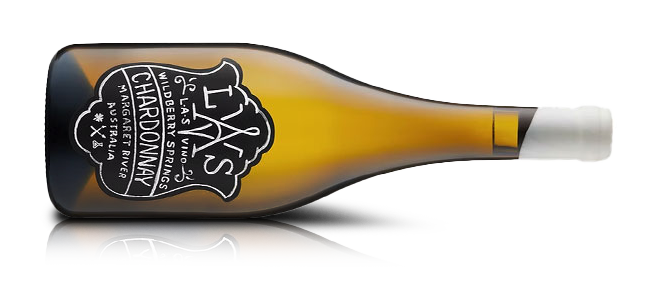 2024 L.A.S. Vino 'Wildberry Springs' Chardonnay Stuart McCloskey, tasted 9th October "The bouquet is super-powerful and packed with ginger spice, ginger biscuit, fresh pineapple, pear, lemon and lime zest, lemon barley water (you’ll see), grapefruit, anise and the unmissable sprinkling of sea salt. Nougat and warm, sweet pastry emerge with more time in the glass. Similarly, the palate is powerful, drives with authority, mouth filling, intense and so thrilling (no spitting whatsoever as this is rather addictive). Overall, this is one hell of an impactful wine. It lacks nothing and delivers everything you could ever wish for from a Margs Chardonnay. As with all wines from the L.A.S. Vino stable, purity underpins the wine. The bright flavours and chalky texture flow effortlessly – I thoroughly enjoy the pithy grapefruit. Outright delicious now, but this has all the credentials to evolve over 8-to-10 years. I believe the high-spot being in 6-8-years. Served using Zalto Burgundy stemware." VINEYARD Sitting in the heart of Willyabrup, growing on rich gravelly loam soils, this 30 year old vineyard is immaculate, with no vines out of place, its almost perfect. It took a few years of begging to be able to pick fruit from this vineyard. Planted by John Durack, who’s family were the first to bring cattle over the top end into the Kimberly. A single vineyard wine, this year we received fruit from a new part of the vineyard which had more clonal gin-gin giving a richness to the wine that we haven’t seen in previous vintages. WINEMAKING The fruit was hand picked, chilled overnight and gently pressed as whole bunches with only the free run juice fermented. The wine was racked off sediment to ferment in quartz amphora of different size and shape along with barriques. These differences in the shape, size and porosity of vessel provide complexity in fermentation kinetics and flavour. A portion of the wine was fermented in oak (30% new) and matured in vessel for 11 months with no malolactic fermentation. The wine was not fined but went through a light filtration prior to bottling. TASTE Purity is the word that I think every time I try this wine. Purity, tension and elegance. Pure flavours of Willyabrup chardonnay, peach lemon, lime, green apple, a touch of cream and a hint of flint. The wine will age gracefully for 10 years if cellared correctly. £34.00 per bottle "This unravels and provides more complexity with more aeration. Fruit melds into a deeply satisfying savoury edge. Wonderfully long… Charismatic." 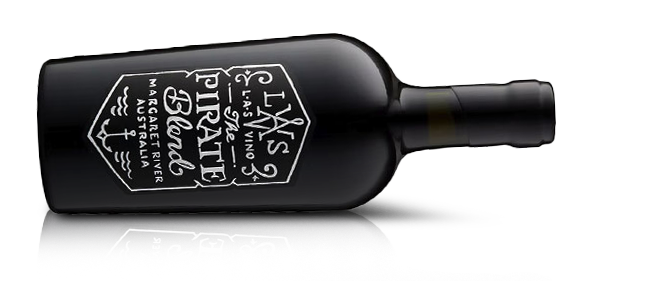 2022 L.A.S. Vino Pirate Blend Stuart McCloskey, tasted 7th October 2025 "I can smell the salty waves lapping at my feet – the bouquet is a heady one and filled with exotic spice, every imaginable dark fruit you can think of (and all soaked together), cinnamon stick, Chinese five spice, liquorice, iron filings, bags of alpine herbs, some bitters, dark chocolate, black olive and camphor coffee. I’m not convinced I will ever unravel the smorgasbord of aromatics. The palate is packed with juicy, ripe (dark) fruits. This is fleshy, moreish and off the charts in terms of succulence. Salt, plum, black tea, alpine herbs, blackberry, dark chocolate, caraway seed, black liquorice lead into iodine. It’s a wine that really requires spending the day with. Time would not be wasted as this unravels and provides more complexity with more aeration. Fruit melds into a deeply satisfying savoury edge. Wonderfully long… Charismatic. Drink now to 2035. 65% Touriga Nacional 32% Tinta Cao 3% Souzao." Pirates were the outlaws, the ones who broke the rules , the fighters, the ones who lust after life with gusto. They drank with a passion that was truly magnificent. For pirates liquor was the saviour; it soothed the heat of the sun and made the dark nights brighter. This blend is an ode to those salty sea dogs we left behind and those still sailing. Those willing to break the rules and live a life according to nothing but passion and the pursuit of personal desire. WINEMAKING The 2022 vintage was a fantastic vintage with warm weather leading to even ripening and good yields. The Pirate Blend contains three Portuguese varieties: Touriga Nacional for structure and depth. Tinta Cao for aroma and finesse. Sousao is the darkest berry I know, and you know what they say, the darker the berry, the sweeter the fruit. All the fruit was handpicked from 40 year old dry grown vines in Yallingup. The wine was both bunch and berry sorted prior to softening for 18 months in barrique. TASTE Ruby red in hue. The wine displays notes of sweet spice, cinnamon, clove, plum compote, blueberry and dark chocolate. Soft silky tannins with an exotic mix of red berry fruit sweetness and cocoa on the palate. Long, complex and an intriguing finish. £31.50 per bottle "This is the embodiment of sophisticated Margaret River Cabernet Sauvignon... Sublime and too special to partner with food." 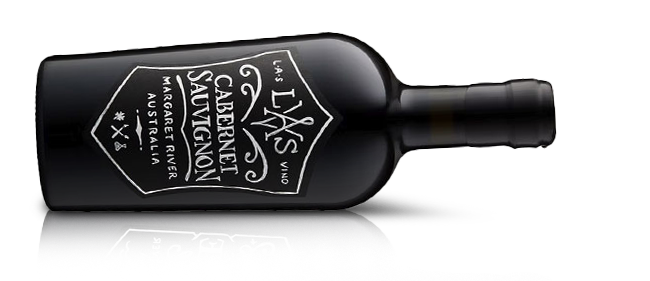 2023 L.A.S. Vino Cabernet Sauvignon Stuart McCloskey, tasted 7th October 2025 "It’s the meeting of all the elements that makes this wine so special. I love it for being so different and for being an honest portrayal of mother nature. This is unfettered and allowed to show its identity. The aromatics soar like a bird of prey on the updraft – effortless, but packed with violets, cassis, mulberries, raspberry, spice, bay leaf, lots of salt, mint, fresh cedar, and rounds off with a noticeable depth of iodine. I would love to assess the aromatics in 6-8-years’ time. The sample has been kept in my ‘cool’ pantry at home – I believe this to be the perfect temperature. The palate feel is very special indeed. Mid-weighted and utterly flawless. This is the embodiment of sophisticated Margaret River Cabernet Sauvignon and certainly falls under the crown of regalness. Sublime and too special to partner with food. Simply, decant (for an hour), serve in either Zalto’s Bordeaux or Burgundy stemware, and settle down for the afternoon with a film or good book. This is very pretty and the flavours gracefully roll to raspberry, violets, briar, a crunch of cranberry along with a good chew of lead pencil and lift from fresh mint. This is long – the flavours drift on for minutes. The tannins, oak and acidity support the fruit and do not impose. Wonderfully effortless. Smitten in a word… Granted, I am wooing and cooing today, but another few years will add much more complexity. Drink now to 2033…" THE VINEYARD Working with a distinctive beautiful unkept vineyard in Yallingup. A certified organic and biodynamic site at the northern end of the cape. The vineyard is left to its own devices, unkept and unpruned. A vineyard with: no trellising, no chemicals, no pesticides, no fertiliser, no irrigation and no tilling. The vines sprawl everywhere; as pigs, geese, guineafowl and cows roam free. The site faces north with a little creek running through the middle of the vineyard. Native flowers and plants grow under the rows with no herbicides or pesticides sprayed. It is one of the only certified biodynamic vineyards in the region. This leads to cabernet fruit with intensity, flavour, concentration and power not often seen in Margaret River. WINEMAKING The fruit was hand picked and cooled, followed by bunch and berry sorting by hand. Leading to a black caviar appearance of fruit in the fermenters. The fruit was naturally fermented as whole berries in large format barriques for 30 days. Plunged by hand and left to ferment at ambient cellar temperature prior to pressings direct to same barrels in which it fermented. Matured in large format barrels for 16 months. With a small portion (10%) seeing new oak. The wine was then settled naturally in tank for two months prior to bottling with no fining and a light filtration. TASTE Dark rich fruits, mulberry, dark cherry and plum. An electric, eccentric and eclectic wine with a full gamut of notes to tickle the taste buds and stimulate the senses. A wine that can be put down and comes into its own by decanting The wine will age gracefully for 30 years if cellared correctly. £34.95 per bottle "Nostalgic, comforting and one of those wines that makes you want to dive into it. The flavours are triumphant, long, and deeply satisfying." 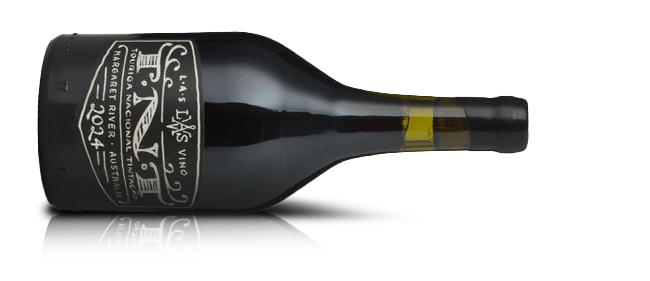 2023 L.A.S. Vino TNT Touriga Nacional Tinta Cao Stuart McCloskey, tasted 10th October "Good Lord – straight off the bat, this is a dreamboat of a bouquet. Jam packed with ripe black and blue fruits (all of them), sweet baking spices, violets, a little Burgundy farmyard character, fresh bay leaf, a deep satisfying aroma of seaweed, warm earth, dried rose petals, lead pencil, and ends with a heady scent of fresh vanilla pod and minerality. Nostalgic, comforting and one of those wines that makes you want to dive into it. The flavours are triumphant, long, and deeply satisfying. The palate is medium-bodied, fresh, which is the trick with this wine. The lavish fruit (raspberry, blackcurrant and plum) are cloaked in a sheath of graphite – I enjoy the bitter twang of dark chocolate, the lift of tart cranberry and sour cherry. Cinnamon is dusted judiciously. There is a tangible connection to the flavours and aromas of Christmas. Minerality flows as does the sense of its birthplace. Unforced, and crafted by gentle hands. I don’t recall the sample tasting so good! Drink now to 2035." Touriga Nacional is Portugal’s premier grape variety, renowned for its role in both Port and still red wine production. Despite Australia sharing a similarly warm climate with Portugal, Touriga Nacional remains a rarity here—particularly in Western Australia, where only four or five vineyards are known to cultivate it. This blend features two Portuguese varieties that complement each other beautifully: Touriga Nacional brings structure and depth, while Tinta Cão adds aromatic lift and finesse. All fruit was hand-picked from 45-year-old, dry-grown vines in Yallingup. Both bunches and individual berries were carefully sorted before undergoing open co-fermentation with gentle hand plunging. The wine was then pressed to barrel and matured for 18 months in seasoned French oak. No fining was carried out, and only minimal additions were made. TASTE If you love rich, smooth, full-bodied reds but are ready to explore a new flavour spectrum, this wine is for you. It offers layers of dark berries, blackberry, and blackcurrant, wrapped in a plush, velvety texture. Subtle notes of Christmas spices—think nutmeg and clove—add warmth and complexity to the finish. £25.50 per bottle You’ve created something completely unique with your Albino PNO. Ray Jordan named it his Rosé of the Year (even though we’ve heard your dad said no one would drink a wine with such a “stupid name”!). How do you describe this wine and the process behind creating it? It was also ranked in the Top 3 Rosés in Australia by The Real Review. I feel like winemakers often treat rosé as a byproduct of red wine production — something they don’t really care about. Usually, it’s just drained off during red winemaking, which leads to unbalanced rosés. With the Albino PNO, we take the same care as we do with our Chardonnays. Everything is hand-picked at dawn from 45-year-old, high-density vines. The grapes are whole-bunch pressed cold, then fermented in barrel and amphora with regular lees stirring. We begin with the intention of creating an incredible wine — it’s never an afterthought. Margaret River is an odd place. The climate works brilliantly for Chardonnay and Cabernet, but Pinot Noir is tricky. It works in cooler years, but it’s difficult. With Cabernet you have a two week picking window; with Pinot, it’s two days. So the idea came: maybe these old Pinot vines weren’t meant for red wine at all, but for rosé. When you pick at 12.5–13.5% alcohol, the balance is perfect — natural acidity, lovely aromatics. It’s the ideal vineyard and grape for rosé in Margaret River. When we first made it, the wine was white. So the Albino Pinot was born. We call it “PNO” to get around labelling restrictions, since we add more than 15% Chardonnay. Chardonnay works incredibly well in this blend. More than 25% and it dominates, but just a touch works like Merlot with Cabernet: it fills the gaps and completes the wine. Without Chardonnay it’s a beautiful, simple rosé. With Chardonnay, it becomes something else — more complete. We’ve even started experimenting with cultivating yeasts from native flowers and using them in the ferments for extra complexity. Watch this space. Which Aussie critics really have a handle on Australian wine, and why? Right now, Campbell Mattinson’s writing stands out (ex-editor of Halliday Wine Companion, now at The Wine Front and Mattinson.com). His reviews are engaging, bigger-picture storytelling — not just descriptors. He brings you on a journey, often with great photographs, and he clearly cares about the direction of wine and the stories it tells. Max Allen always offers insightful takes on new and interesting developments in Australian wine. Erin Larkin (Robert Parker’s Wine Advocate) has had a dramatic rise recently. And Jane Faulkner (Halliday) is always fun, championing producers doing cool, interesting things. 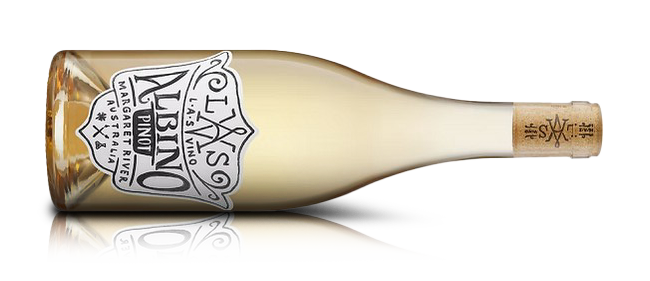 2024 L.A.S. Vino Albino PNO 'Rosé of the Year' Ray Jordan Stu will be sampling early next week... Notes will be live on our website and sent to you by Wednesday Ray Jordan “The indelible Nic Peterkin stamp is all over this thoroughly captivating rose style. It’s made from 40-year-old Pinot Noir and 20% Chardonnay from Margaret River. Pressed as whole bunches and then fermented in a combination of French barriques and clay amphora. The Chardonnay and pinot were fermented and matured separately until being brought together. Aromas of cranberry and pomegranate with a little cherry and spicy grapefruit. The palate is textured with a fine vibrant acidity.” Huon Hooke, The Real Review - No:1 Rosé from Western Australia "Pale salmon-pink colour, the lack of purple showing development thanks to barrel and amphora fermentation and lots of lees stirring. Savoury bouquet suggests smoked charcuterie. A layered, complex and textural wine, with a dry but soft mouth-feel. It's deliberately not fruity/grapy: an outstanding rosé style." Halliday.com ‘Consistently one of my top rosés' “The coming together of 80% pinot noir and 20% chardonnay, aged for nine months in barriques and clay vessels, creates this exceptional rosé. A pale, dusty copper hue with a hint of gold, so it entices immediately. A more subtle iteration with some just-ripe raspberries mixed with lime finger pearls, grapefruit juice, a touch of fresh herbs and a smidge of creaminess across the palate. It is the texture of this wine that makes it stand out, yet it has refreshing and cleansing acidity to close. Love it – consistently one of my top rosés." £29.95 per bottle 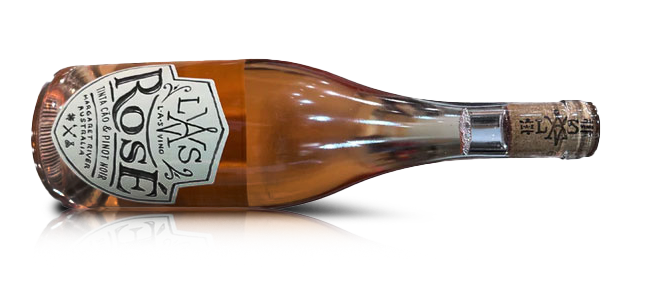 2024 L.A.S. Vino Rosé 'Tinta Cao / Pinot Noir' Stu will be sampling early next week... Notes will be live on our website and sent to you by Wednesday Tinta Cão is a bit of a mystery—an ancient, rare variety from Portugal known for its beautiful spice and floral aromatics. We’ve been working with it for over a decade in our reds (you might know it from The Pirate Blend), and after years of experimentation, we started to suspect that its finest expression might actually be as a rosé. From just two tiny rows of vines in Wilyabrup, we managed to get a single barrique. Closer to bottling, we blended it with an equal portion of Pinot Noir rosé-fermented in both oak and stainless steel—to round out the profile. The wine spent 10 months resting in barrique with regular lees stirring to build texture and complexity. The result? Totally unique. Seriously delicious. TASTE Think rose petals, fresh raspberries, wild strawberries, and a gentle hint of spice. It’s bright, lifted, and full of character—just like the grape itself. £25.50 per bottle Quick Fire Questions with Nic Peterkin Australia, France, or Italy? Burgundy. Cocktails or straight sippin’ spirits? Whisky. Mixologist or mix-it-at-home? Mixologist. Aperitif preference? Negroni or G&T. Fine dining or cook at home? A restaurant that feels like cooking at home — not fine dining, but casual, with incredible local produce. Perfect drinking occasion? Do you even need one? Desert island treat? A book, a beach, and a cold beer. If you could only choose one varietal to work with? Chardonnay or Chenin. Standish giveaway. Well, almost… 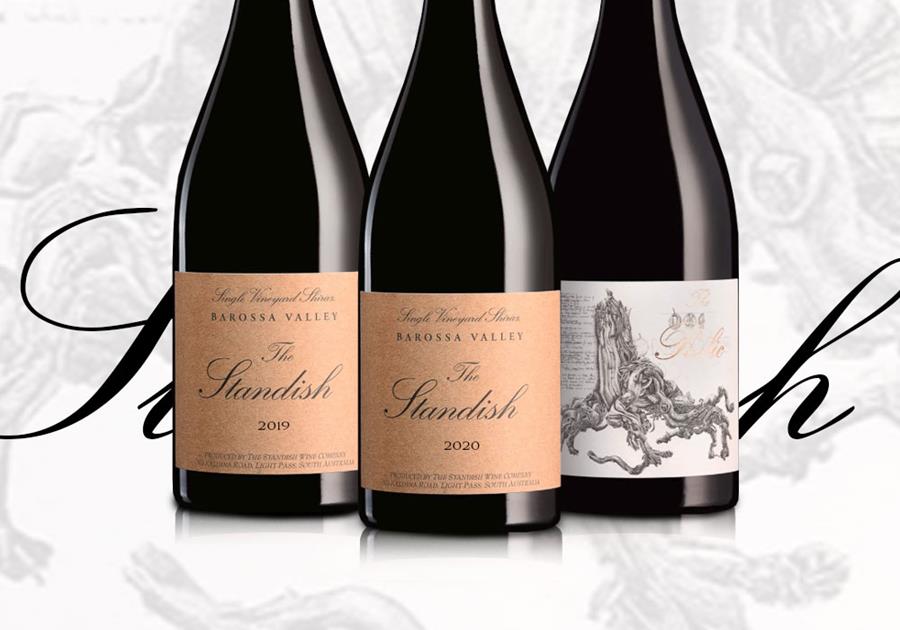 The Wines 2019 The Standish (Our sales price is usually £365 IB per case) Mix and match (6-packs only) Buy 1 case @ £315.00 (£52.50 IB per bottle) For example, buy one case of each and only pay £285.00 IB per case. Buy two cases (of any of the three wines listed, and you will pay £300.00 IB per case). Simply, add your order to your shopping cart and let our checkout work the mathematical magic.. These three Standish wines can also be purchased for home delivery. Please ensure you select the 'Duty Paid' option. All Duty Paid orders will be dispatched via our HQ with DPD on Monday 20 October for arrival on the Tuesday. As ever, we can hold your order until you are ready to take receipt. This very special offer closes 9:00am Wednesday 22 October All remaining stocks will be offered to all our trade customers. 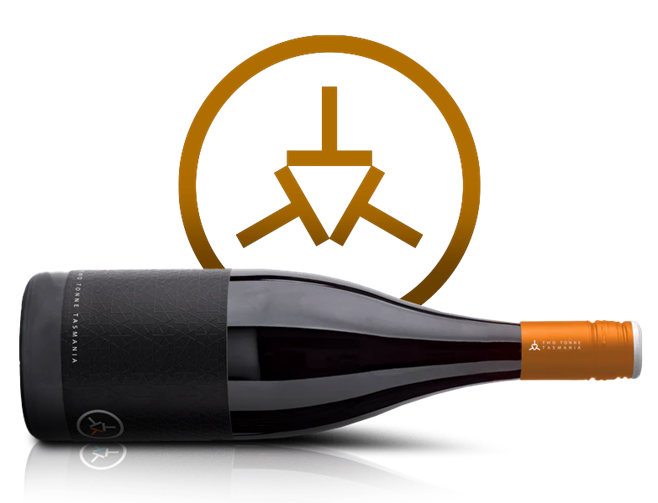  It is with great pleasure we introduce the wines from Tasmanian producer, Ricky Evans, who is widely regarded as one of Australia’s brightest winemaking talents. |
