 There is a common misconception that organic and biodynamic farming are one and the same. They are not. Organic viticulture is, fundamentally, about elimination - the removal of synthetic herbicides, systemic pesticides, artificial fertilisers and the growing dependence upon chemical shortcuts that have dominated modern agriculture for decades. In essence, organic farming asks one very important question: “What natural things can we give back to the land?” Biodynamics approaches the same challenge from a broader and more philosophical perspective. Rather than focusing solely upon what must be removed, biodynamic farming asks: “How do we create a healthier, more complete ecosystem?” Organic farming can sometimes feel like a rulebook. Biodynamics feels closer to stewardship. The organic grower seeks to avoid harmful intervention; the biodynamic grower seeks to restore vitality and balance. In practice, the overlap between the two is considerable. Both reject synthetic chemicals. Both champion healthier soils, biodiversity and ecological balance. Yet biodynamics extends beyond farming protocols and certification. The vineyard is viewed not simply as agricultural land, but as a living organism - one interconnected system where soil, insects, animals, cover crops, pollinators and humans all influence one another. Nothing exists in isolation. At The Vinorium, we have always found this philosophy deeply fascinating because it mirrors what experienced gardeners instinctively understand. Healthy gardens are not built through force. They emerge through balance, patience and observation. Feed the soil and the soil feeds the plant. Encourage biodiversity and resilience naturally follows. Introduce flowers and pollinators arrive. Avoid excessive intervention and life gradually returns. Nature responds remarkably quickly when allowed to breathe again. This is where gardening, beekeeping and viticulture become beautifully interconnected. As many readers know, gardening and beekeeping have become genuine passions at home over recent years. Alongside the borders, vegetables and fruit trees sits another enduring fascination - bees. Beekeeping is one of the most humbling and educational pursuits imaginable. Open a thriving hive and one witnesses nature operating with extraordinary efficiency and precision. Every bee has purpose. Every movement contributes toward the wider health of the colony. Nothing is wasted. Balance is everything. Healthy hives do not happen by accident. The same philosophy underpins both organic and biodynamic farming. Whether tending a vegetable patch, nurturing vines or caring for bees, the objective remains remarkably similar: to create a healthy, self-sustaining ecosystem that works with nature rather than constantly attempting to overpower it. At home, I garden entirely organically. No chemicals are ever used. Instead, the soil is nourished naturally with composts, homemade comfrey tea and liquid seaweed feeds which encourage healthier roots, stronger growth and greater resilience. Much of the garden is planted specifically to support pollinators, with carefully selected varieties providing nectar and pollen throughout the seasons. The result is a garden that feels genuinely alive - full of bees, butterflies and beneficial insects, all contributing toward a naturally balanced environment. I live close to large expanses of water which inevitably brings clouds of midges during the warmer months. Yet nature has a remarkable way of restoring equilibrium. The garden is now home to giant dragonflies, countless birds and bats, all of which thrive on this abundant food source. As dusk falls, bats dart effortlessly across the garden whilst dragonflies patrol the borders with astonishing precision throughout the day. The midges provide nourishment for wildlife, whilst the wildlife keeps numbers naturally under control far more effectively than chemicals ever could. It is a constant reminder that healthy ecosystems regulate themselves when given the opportunity. Bees, too, depend upon this balance. They require clean forage, healthy flowers, biodiversity and an environment free from excessive chemical pressure. In many respects, pollinators are nature’s environmental barometer. When bees are thriving, the surrounding ecosystem is usually healthy too. And whilst grapevines themselves are largely self-pollinating, the wider vineyard ecosystem absolutely depends upon pollinator life. Wildflowers between vineyard rows, flowering herbs, clover cover crops and native hedgerows all contribute toward healthier and more resilient vineyards. A vineyard humming with insect life is rarely an unhealthy place. Conversely, sterile monocultures stripped bare with herbicides and devoid of biodiversity may appear visually neat, but they are often ecologically fragile. The absence of weeds is frequently accompanied by the absence of life itself. This understanding sits at the very heart of biodynamics. The modern biodynamic movement stems from lectures delivered in 1924 by Austrian philosopher Rudolf Steiner, who warned that agriculture was becoming dangerously dependent upon synthetic fertilisers and chemical inputs. His central proposition was remarkably simple: a farm should function as a self-sustaining living organism rather than a factory production unit. Whilst some aspects of Steiner’s teachings continue to provoke debate (particularly the more spiritual dimensions) the practical outcomes are often immensely logical. Biodynamic growers focus obsessively upon composting, soil vitality, biodiversity, microbial life and ecological balance. Their objective is not simply to grow grapes, but to cultivate healthier vineyards capable of naturally producing balanced and resilient vines. And perhaps this is why so many of the world’s most compelling wines emerge from organically and biodynamically farmed vineyards. The connection between healthy soils and wine quality becomes increasingly difficult to ignore once one begins paying attention. Healthy soil is one of nature’s most extraordinary creations. Within a single teaspoon reside billions of microorganisms — bacteria, fungi, nematodes, protozoa and countless microscopic life forms invisible to the naked eye. These organisms break down organic matter, cycle nutrients, improve soil structure and create symbiotic relationships with plant roots. Mycorrhizal fungi are particularly fascinating. They attach themselves to roots and dramatically extend a plant’s ability to access nutrients and water. In exchange, the plant shares carbohydrates produced through photosynthesis. It is one of nature’s most elegant partnerships. Gardeners witness the same phenomenon every year. Rich, living soils produce healthier vegetables, more fragrant flowers and stronger plants. The difference between a tomato grown in exhausted soil and one grown in compost-rich living earth is extraordinary. Flavour, texture and vitality all improve. The same principles apply to vines. Balanced vines produce balanced fruit. Balanced fruit requires less intervention in the winery. Wines requiring less manipulation often communicate site with far greater transparency and authenticity. This is why some of the world’s most revered estates have embraced biodynamic farming, including Domaine Leflaive, Domaine de la Romanée-Conti, Domaine Zind-Humbrecht, Nikolaihof and Cullen Wines. These are not producers chasing fashionable trends. They are among the most exacting growers and winemakers on earth, united by one objective: to express place with greater honesty and precision. Importantly, one does not need to look exclusively toward Europe to witness thoughtful farming practices. Many of Australia’s finest producers increasingly farm organically, recognising the long-term benefits to vineyard health and wine quality. Producers close to our hearts including Ghost Rock, The Standish Wine Company, House of Cards and Swinney all farm organically. Organic farming is significantly more labour intensive, substantially more expensive and often far riskier - particularly during difficult vintages where disease pressure rises sharply. Choosing this route represents a long-term commitment to soil health and vineyard sustainability rather than short-term convenience. Increasingly, the results are evident in the glass. Many organically and biodynamically farmed wines possess an energy and vitality that is difficult to quantify yet instantly recognisable. Fruit profiles often appear more vibrant. Acidity feels more natural and integrated. Textures become finer. Aromatics display greater purity and detail. Of course, biodynamics continues to attract scepticism, particularly regarding lunar calendars and preparations such as horn manure composts. Some dismiss these ideas outright. Others embrace them entirely. At The Vinorium, we take a pragmatic view. We are not interested in ideology for ideology’s sake. We are interested in results. Time after time, the growers producing wines of remarkable transparency, energy and precision tend to be those farming with extraordinary attentiveness and care. Perhaps this is biodynamics greatest contribution. It forces growers to observe - to walk the vineyard, study the soils, understand insect life, monitor the seasons and pay close attention to balance. Amongst the newer generation of Australian producers, few articulate the relationship between farming, ecology and wine quality more thoughtfully than L.A.S. Vino. Nic Peterkin’s philosophy has never revolved around formulaic winemaking or producing wines to satisfy market expectation. Instead, the focus begins in the vineyard — healthier soils, lower-intervention farming and balanced ecosystems capable of naturally producing more characterful fruit. Much of Nic’s vineyard work is farmed organically, with biodynamic principles increasingly woven throughout both vineyard management and broader farming philosophy. Cover crops are encouraged rather than stripped away and vineyard health is viewed holistically rather than through the narrow lens of simple disease control. Importantly, this is not farming for appearance or marketing value. Nic speaks openly about farming for resilience, vitality and long-term vineyard health, particularly in the face of increasingly erratic climatic conditions. Organic matter, microbial activity and soil structure are prioritised because healthier soils retain moisture more effectively, encourage deeper root systems and ultimately produce more naturally balanced vines. Rather than forcing excessive vigour through fertilisers, the objective is equilibrium. Vineyards are encouraged to find natural balance, resulting in lower intervention both in the vineyard and later in the winery itself. Perhaps this is why the wines themselves possess such energy and personality. Whether discussing the extraordinary texture, vitality or layered depth found throughout the portfolio, there is a recurring sense of purity and natural balance. These are not wines heavily sculpted by winemaking technique. Rather, they feel shaped by healthier vineyards and thoughtful farming decisions long before fermentation even begins. In many respects, L.A.S. Vino perfectly encapsulates the direction in which many of Australia’s finest producers are now heading - away from heavily manipulated viticulture and toward farming rooted in biodiversity, soil health, ecological sensitivity and long-term sustainability. It is a philosophy we increasingly admire, not because it sounds fashionable, but because the results in the glass continue to speak for themselves…  “A serious rendition and dripping in deliciousness. Fly me to my beloved Isle of Skye and serve me a plate of west coast langoustine and a bottle of this beauty…” 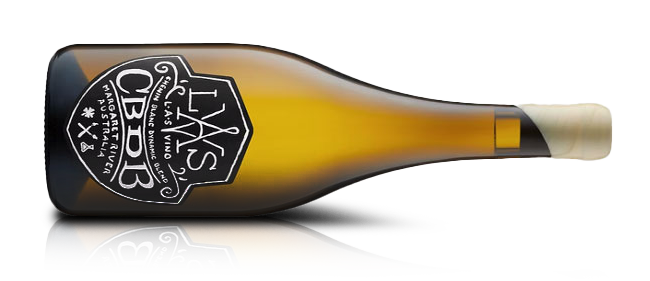 2024 L.A.S. Vino 'CBDB' Chenin Blanc Dynamic Blend Stuart McCloskey, tasted 10th October “Possibly, my favourite wine from the collection, and without hesitation, one of the best examples of Aussie Chenin Blanc I’ve had in years. The perfume shimmers beautifully – adorable in a restrained way. White pepper, crisp green apple, lemon verbena, tonic water, fresh fennel fronds, brined, green olives, a smidgen of passionfruit, nectarine, quince, and finishes with a wave of oceanic salinity. The palate unfurls slowly (do not overchill) and drives with the same level of restraint. Mid-weighted, but generous – lots of vim and vigour. Crisp orchard fruits, preserved, salted lemon, a pucker of chalk and grapefruit, sweet spice, a faint sense of anise / fresh tarragon, saline and finally comes to a close with a lovely slap of acidity. The flavours are long and will only get better with more bottle age. A serious rendition and dripping in deliciousness. Fly me to my beloved Isle of Skye and serve me a plate of west coast langoustine and a bottle of this beauty… Drink now to 2033. Don’t forget to pack a Zalto Burgundy glass, too… Best stemware whilst the wine is young.” £31.95 per bottle “This invigorates the senses. It’s powerful and provides buckets of complexity. Incredible, salty length too. Yes, please…” 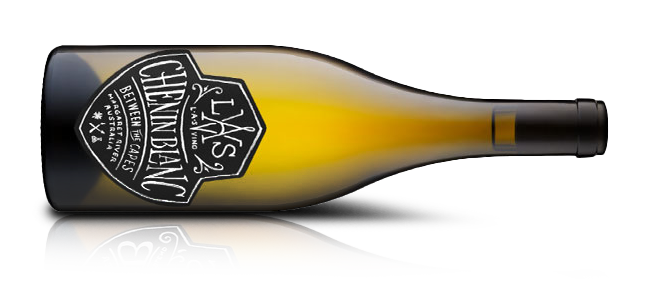 2024 L.A.S. Vino Chenin Blanc Stuart McCloskey, tasted 8th October 2025 “A maritime beauty that gently unfurls to fresh fennel, confit lemon, crisp apple, pithy grapefruit, wet stones, lots of saline along with subtle candle wax. Orange zest, quince, florals and ginger spice emerge with further aeration. The palate is wonderfully balanced, and I am loving the texture – it’s taut and does take some time to get going. I like the phenolic grip – pithy but in a refined way. Texturally, there is as much going on as the flavour (if not more). This invigorates the senses. It’s powerful and provides buckets of complexity. This taste of the sea – I adore the oyster shell brininess drenched in lemon… Incredible, salty length too. Yes, please… For the maximum enjoyment and impact – remove from the fridge, decant and serve in a large glass (Zalto Bordeaux or Burgundy). Cellaring? Today, this is delicious however, I believe the best years are to come. Drink now to 2030 / 2032.” £22.95 per bottle  “This is one hell of an impactful wine. It lacks nothing and delivers everything you could ever wish for from a Margs Chardonnay.” Last 32 bottles 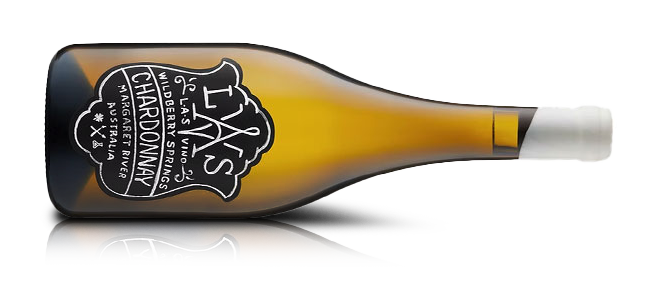 2024 L.A.S. Vino 'Wildberry Springs' Chardonnay Stuart McCloskey, tasted 9th October “The bouquet is super-powerful and packed with ginger spice, ginger biscuit, fresh pineapple, pear, lemon and lime zest, lemon barley water (you’ll see), grapefruit, anise and the unmissable sprinkling of sea salt. Nougat and warm, sweet pastry emerge with more time in the glass. Similarly, the palate is powerful, drives with authority, mouth filling, intense and so thrilling (no spitting whatsoever as this is rather addictive). Overall, this is one hell of an impactful wine. It lacks nothing and delivers everything you could ever wish for from a Margs Chardonnay. As with all wines from the L.A.S. Vino stable, purity underpins the wine. The bright flavours and chalky texture flow effortlessly – I thoroughly enjoy the pithy grapefruit. Outright delicious now, but this has all the credentials to evolve over 8-to-10 years. I believe the high-spot being in 6-8-years. Served using Zalto Burgundy stemware.” £29.95 per bottle “This is the embodiment of sophisticated Margaret River Cabernet Sauvignon... Sublime and too special to partner with food.” 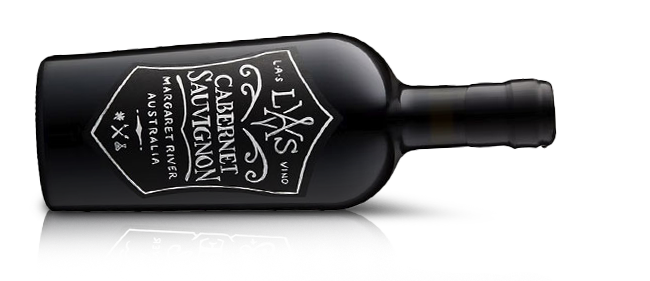 2023 L.A.S. Vino Cabernet Sauvignon Stuart McCloskey, tasted 7th October 2025 “It’s the meeting of all the elements that makes this wine so special. I love it for being so different and for being an honest portrayal of mother nature. This is unfettered and allowed to show its identity. The aromatics soar like a bird of prey on the updraft – effortless, but packed with violets, cassis, mulberries, raspberry, spice, bay leaf, lots of salt, mint, fresh cedar, and rounds off with a noticeable depth of iodine. I would love to assess the aromatics in 6-8-years’ time. The sample has been kept in my ‘cool’ pantry at home – I believe this to be the perfect temperature. The palate feel is very special indeed. Mid-weighted and utterly flawless. This is the embodiment of sophisticated Margaret River Cabernet Sauvignon and certainly falls under the crown of regalness. Sublime and too special to partner with food. Simply, decant (for an hour), serve in either Zalto’s Bordeaux or Burgundy stemware, and settle down for the afternoon with a film or good book. This is very pretty and the flavours gracefully roll to raspberry, violets, briar, a crunch of cranberry along with a good chew of lead pencil and lift from fresh mint. This is long – the flavours drift on for minutes. The tannins, oak and acidity support the fruit and do not impose. Wonderfully effortless. Smitten in a word… Granted, I am wooing and cooing today, but another few years will add much more complexity. Drink now to 2033…” £31.95 per bottle “Nostalgic, comforting and one of those wines that makes you want to dive into it. The flavours are triumphant, long, and deeply satisfying." 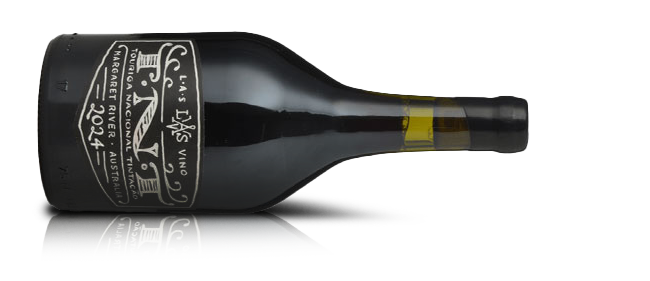 2023 L.A.S. Vino TNT Touriga Nacional Tinta Cao Stuart McCloskey, tasted 10th October “Good Lord – straight off the bat, this is a dreamboat of a bouquet. Jam packed with ripe black and blue fruits (all of them), sweet baking spices, violets, a little Burgundy farmyard character, fresh bay leaf, a deep satisfying aroma of seaweed, warm earth, dried rose petals, lead pencil, and ends with a heady scent of fresh vanilla pod and minerality. Nostalgic, comforting and one of those wines that makes you want to dive into it. The flavours are triumphant, long, and deeply satisfying. The palate is medium-bodied, fresh, which is the trick with this wine. The lavish fruit (raspberry, blackcurrant and plum) are cloaked in a sheath of graphite – I enjoy the bitter twang of dark chocolate, the lift of tart cranberry and sour cherry. Cinnamon is dusted judiciously. There is a tangible connection to the flavours and aromas of Christmas. Minerality flows as does the sense of its birthplace. Unforced, and crafted by gentle hands. I don’t recall the sample tasting so good! Drink now to 2035.” £22.95 per bottle 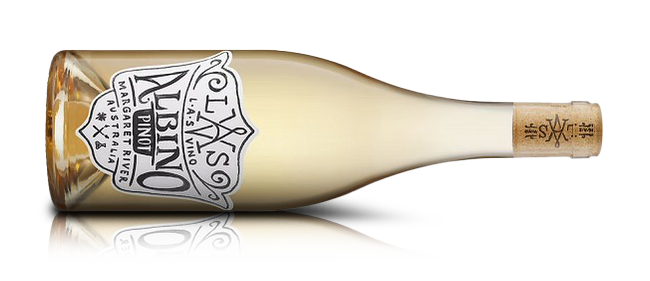 2024 L.A.S. Vino Albino PNO “Rosé of the Year” Ray Jordan Ray Jordan “The indelible Nic Peterkin stamp is all over this thoroughly captivating rose style. It’s made from 40-year-old Pinot Noir and 20% Chardonnay from Margaret River. Pressed as whole bunches and then fermented in a combination of French barriques and clay amphora. The Chardonnay and pinot were fermented and matured separately until being brought together. Aromas of cranberry and pomegranate with a little cherry and spicy grapefruit. The palate is textured with a fine vibrant acidity.” Huon Hooke, The Real Review - No:1 Rosé from Western Australia “Pale salmon-pink colour, the lack of purple showing development thanks to barrel and amphora fermentation and lots of lees stirring. Savoury bouquet suggests smoked charcuterie. A layered, complex and textural wine, with a dry but soft mouth-feel. It's deliberately not fruity/grapy: an outstanding rosé style.” Halliday.com ‘Consistently one of my top rosés' “The coming together of 80% pinot noir and 20% chardonnay, aged for nine months in barriques and clay vessels, creates this exceptional rosé. A pale, dusty copper hue with a hint of gold, so it entices immediately. A more subtle iteration with some just-ripe raspberries mixed with lime finger pearls, grapefruit juice, a touch of fresh herbs and a smidge of creaminess across the palate. It is the texture of this wine that makes it stand out, yet it has refreshing and cleansing acidity to close. Love it – consistently one of my top rosés.” £24.95 per bottle   “A wonderfully mature expression of dry white Bordeaux, which is in really good shape and has evolved into something beautifully complex and textural." 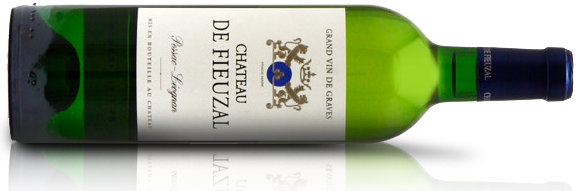 Chateau De Fieuzal Blanc 2012 Purchased during the 2012 En-Primeur campaign & remained solely in our possession 6 packs are housed in their original wooden case. Stuart McCloskey, tasted 21 May 2026 “A wonderfully mature expression of dry white Bordeaux, which is in really good shape and has evolved into something beautifully complex and textural. The vibrant citrus and exotic fruit character of youth has mellowed into layers of preserved lemon, beeswax, grilled grapefruit, dried pineapple and warm brioche. There’s a gentle smokiness too. Classic Pessac-Léognan - intertwined with crushed stone, lanolin and hints of acacia honey. The palate is rich yet remarkably composed, carrying that unmistakable Graves tension between generosity and freshness. Semillon now takes centre stage, delivering a creamy, waxy texture, whilst Sauvignon Blanc still contributes lift, citrus energy and mineral definition. Oak has long since integrated, adding subtle notes of toasted hazelnut and spice rather than overt wood influence. What impresses most is the balance. Mature, certainly, but far from tired. There remains admirable precision and a saline, gently smoky finish which lingers beautifully. A deeply satisfying white Bordeaux that is best served chilled, in Zalto Universal stem, along with a huge wedge of aged Comté and warm, crusty bread. No need to decant. Drink now and over the next two-three-years.” Was £41.75   |
