It has been five years since we first launched Justin's Ghost Rock wines in the UK. We asked him to update us on life in Tasmania, his 20 year journey with Ghost Rock and his plans for the future...
This year marks 20 years of Ghost Rock wines. Huge congratulations on this wonderful milestone! Can you share some of the most memorable highlights?
Thank you! It’s been a hell of a ride.
It’s quite remarkable how quickly 20 years goes by when you’re so focused on creating a vision – and so focused on the incremental deliverables of that vision each day. It really feels like a blink in many regards.
And whilst the Trophies, Gold Medals, and 5 Star Ratings are wonderful things to have collected along the way (and are certainly sitting in the highlights reel) it’s the creation of a sophisticated, talent-rich business that’s probably the most memorable part for me. All in a location that was never really meant to amount to much! Building a success story against that backdrop has been such a continuing highlight.
And to follow these, what have been the tough parts of your journey and what lessons did these teach you?
The toughest lesson of all is patience.
Nothing happens quickly – and never has that been truer than in wine. The phrase ‘an overnight success 20 years in the making’ must have been penned by someone in the wine industry. I can’t imagine an industry more suited to the phrase.
Other lessons have been that your business is only as good as its people. And that your wine is as only as good as your vineyards. Us winemakers are important, but not most important.
It has also been five years since we launched your wines in the UK. What have the past five years brought to Ghost Rock? And how do you see the business developing during these turbulent times?
Gosh. What hasn’t the last 5 years brought?!
Our Supernatural Range has certainly exploded in that time, as has our work with our Single Vineyard Series. These 2 Ranges, in combination with our quintessential Estate Range, allow us to offer wine consumers a deeper, more immersive experience. Each Range tells of a philosophical story.
I think being able to hold that engagement with wine consumers, through your wines, is what will hold us in good stead.
We are huge fans of the tiny 1% of Australian wine which is currently produced in Tasmania. How would you describe the wine landscape on the Apple Isle and what would you predict for the future of Tassie wine?
It’s as dynamic and high performing as it’s ever been. And as diverse as it’s ever been.
The proliferation of small, boutique wineries over the last 5 – 10 years has created a hot-bed of distinctive, compelling, and ultimately, outstanding wines. These wineries are often family run, or independently run, and are hell-bent on driving the highest possible quality out of their vineyards. And this can only be a good thing.
I won’t predict the future, but I will say this, Tasmania’s potential over the next 5 – 20 years is greater than any other wine region in Australia. That’s quite an opportunity in front of us.
You also run an eatery alongside your winery. How would you describe the food scene in Tasmania and what are your personal regional favourites?
The food scene in Tasmania has exploded.
Hobart’s abuzz with venues and the north of the state isn’t far behind. Given the extraordinary quality of local produce in every pocket of Tasmania, and the boom in both domestic and international tourism, it was only a matter of time before the food scene lit up.
In the north of the state, my favourites would be Stillwater, and well, us! Am I allowed to say that? I am very, very biased, but our chefs continue to knock-out some outstanding dishes across all the realms, including dessert! We’re very proud of the lunchtime reputation we’ve built for ourselves.
Down south, take your pick! Sonny, The Agrarian Kitchen and Bar Wa are definitely at the top of the tree.
Have you had any recent stand-out dining experiences that you would recommend to visitors?
The Winter Feast is a real must.
Dark Mofo is Tasmania’s winter festival held every June. It’s run by the Mona Museum team who put on an incredible event every year. Winter Feast is the food and wine component of the festival, held on Hobart’s iconic waterfront. Incredible line-up of producers and guest chefs all in the one place.
How was the 2024 Pinot Noir vintage at Ghost Rock? We have five different examples of your Pinot Noir heading for the UK, how would you describe each one and their differences?
2024 was our earliest vintage on record. Now, that statement coming from an Australian winemaker might typically be cause for concern, but when it’s coming from a winemaker in northern Tasmania, it’s quite the opposite.
For us, it meant fruit came off the vine quite idyllically throughout the back half of March and early April. It meant that fruit hit ideal ripeness before we needed to navigate the autumn rains, and that flavour really found its concentration point via those (relatively) warm and dry days.
The 2024 Vintage was one our very best. Aromatics are high, concentration is high, deliciousness is high!
Right! Here goes on the 5 Pinot Noirs you have available to the Vinorium audience:
2024 Supernatural Pinot Noir
So popular. Fresh, juicy, textured. Full of fun. Unadulterated Pinot Noir right here.
2024 Estate Pinot Noir
The iconic Tasmanian style. Sophisticated, elegant, concentrated. Old-vine wonder at its very best here.
2024 La Filles Single Vineyard Pinot Noir
A thing of aromatic beauty. So seductive and pure. Just wow every time for us. Silky, silky, silky.
2024 Oulton Single Vineyard Pinot Noir
The Burgundy of our portfolio. She’s covered by bramble, forest, spice and clover. And a textural hero in our cluster.
2024 Climat Organic Pinot Noir
The energy levels on this wine are high. Wonderful drive and focus. Such a thoughtful and provocative wine here. Feels so unique in the glass.
Price to quality ratio - Your Catherine Sparkling wine blew us away earlier this year, and we’ve taken all the stock offered. You believe this to be the best you have made so far… Why? and here’s a tough question – how can you craft such a delicious fizz for such a respectable sum of money?
Such kind words – thank you gang!
I think our vineyards are ‘natures’ when it comes to growing great sparkling fruit. And whilst this is true for Tasmania generally, it’s particularly true for us up here on Bass Straight, where we experience some of the mildest summers (generally) on the island. The fruit just finds that elegance and finesse which makes our jobs that little bit easier.
We also prioritize the appropriate amount of time on lees for our sparkling wines, which is hugely important. And we tend Catherine toward Chardonnay dominance also, which lifts the level of sophistication nicely.
And because we do everything inhouse (grow, bottle, disgorge) it allows us to keep her pricing attainable for most.
We’re hugely excited by the potential of Catherine moving forward. The ’22 Catherine isn’t far away, but let’s enjoy what’s left of the ’21 Catherine first!
How would you describe your style of winemaking? Are you creating the kind of wines you love to drink yourself?
Only and always. If we don’t love drinking our wines, love talking about our wines, love sharing our wines, love showing off our wines, then what’s the point really?
As you can see, I genuinely love our wines. And the people who grow them, the people who make them, the people who sell them.
Stylistically, we want all our wines to be expressive and generous. Lots of personality in the glass. Lots of evolution throughout the bottle. Lots of conversation in the room.
Handing yourself over to Mother Nature each year and just hoping she’ll be kind.
Do you have a winemaking hero?
Not particularly. There are people in the industry who have helped us immensely, and who I will be eternally indebted to, but I personally find my heroes mostly out of the industry. Andrew Pirrie and Gerald Ellis are probably the exceptions. Both Tasmanian icons.
In your opinion, who are the Aussie winemakers to keep an eye on?
I’m obviously biased, so here come the Tasmanians!
Ricky Evans (Two Tonne) obviously. Luke Andreas (Sonnen) is doing cool things. Our Winemaker, Sierra Blair, has her own little label (Zymo) which is doing great things. Mattias Utzinger is also growing some terrific fruit – big future ahead for him.
Quick Fire Questions
Australia, France, or Italy? France
Cocktails or straight sippin’ spirits? Negroni please.
Mixologist or mix-it-at-home? Mixologist
Aperitif preference? There’s something before Champagne..??
Fine dining or cook at home? Good dining.
Perfect drinking occasion? The beer you have pre-departure, for an international holiday, is the greatest beer you’ll ever have..
Desert island treat? Ice-cream for breakfast
If you could only choose one varietal to work with? The easiest question of the day! The reason Tasmania exists – Pinot Noir.
“A beautifully lifted and ethereal bouquet, showcasing light red fruits—fresh strawberry and dried cranberry—framed by an alluring wildness.”
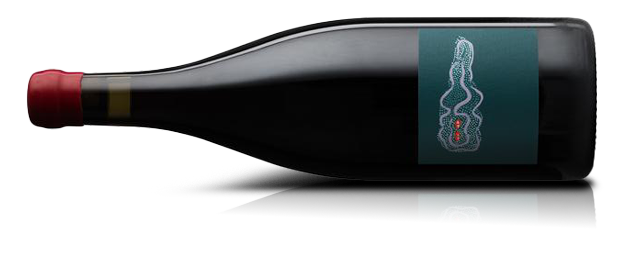
2024 Ghost Rock Climat Pinot Noir
Justin Arnold, Owner/Winemaker: “The energy levels on this wine are high. Wonderful drive and focus. Such a thoughtful and provocative wine here. Feels so unique in the glass.”
Bouquet:
A beautifully lifted and ethereal bouquet, showcasing light red fruits—fresh strawberry and dried cranberry—framed by an alluring wildness. Notes of mountain pepperberry add a faint spice, while gravelly, crushed brick and chalky mineral tones evoke a sense of place and subtle tension. There’s a stony precision to the aromatics that hints at refinement and quiet complexity
Palate:
Bright and red-fruited on entry, the palate is driven by a clean, linear acid profile that provides clarity and lift. Medium to medium light in weight, it glides across the tongue with finesse, before a tingling, mineral-laced aftertaste leaves a lingering impression. Tantalizing and tactile, this is a Pinot Noir for those drawn to purity, elegance, and the quiet thrill of cool-climate structure.
Vintage:
2024 will be remembered as a vintage of distinction, with fabulous growing conditions that yielded fruit of superb quality. The climate during the spring and summer was notably warmer and dryer than previous years. This pattern had not been seen since 2019, which was also a year that made exceptional wines that are still holding up today. The wines from 2024 will be celebrated for having considerable character, intensity, and a great deal of potential
Winemaking:
Clones were individually picked on ripeness and fermented in four separate lots. They were wild fermented with no additions bar sulfur. Hand plunged twice daily, pressed at dry. Wild malolactic fermentation completed in the spring, creating a deeper coloured and layered wine. Aged in high quality French oak barriques, 33% of which were new. This wine is a selection of the 9 best barrels. Sulfur was the only addition, added after ferment and just before bottling
Viticulture:
This is our fifth release from our organically farmed vineyard. Plnated in 2014 and converted to organics in 2019, this vineyard is exclusively planted to Pinot Noir. Its sheltered northern slope and well-drained loam on sand soil provide the ideal backdrop for outstanding Pinot Noir growing. And at just over 2 hectares in size, its managed through a vine-to-vine program that ensures our organics approach is fully realised.
£35.00 per bottle
Buy 6 for £180.60 – Only £30.10 per bottle
Also available under bond @ £130.75 per case (6x75cl)
“A Pinot for those who love depth and drive in equal measure.”
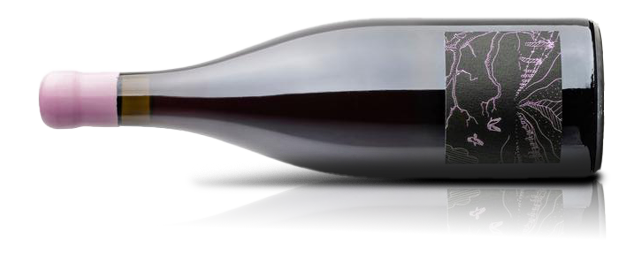
2024 Ghost Rock La Filles Pinot Noir
Justin Arnold, Owner/Winemaker: “A thing of aromatic beauty. So seductive and pure. Just wow every time for us. Silky, silky, silky.”
Bouquet:
A brooding and expressive aromatic profile, led by ripe plum, blackberry compote, and a twist of cracked black pepper. These dark fruit tones are underscored by subtle spice and earthy undertones, hinting at forest floor and dried herbs. It’s a deeper, more contemplative take on Pinot Noir, immediately captivating.
Palate:
The palate is bold and generous, delivering impressive breadth and fruit weight without tipping into excess. Layers of dark fruit roll across the tongue, supported by supple tannins and a fresh, balancing acid line that keeps the wine vibrant and food-friendly. There’s a confident structure here—ample but poised—with a long, spice-laced finish that speaks to both ripeness and restraint. A Pinot for those who love depth and drive in equal measure.
Winemaking:
The 777 clone was picked, destemmed, and fermented separately early in the season, with the 114 clone following nearly two weeks later. Both batches were wild fermented, hand plunged twice daily, and pressed just at dry. The clonal split of this wine is 70% 114, and 30% 777. Careful blending trials created this wine from the 11 best barrels, 3 of which were new, resulting in a 27% new oak profile. This wine was bottled unfined and unfiltered.
Viticulture:
Planted in 2014, La Filles is one of our lowest and most sheltered vineyards. Intuitively, fruit from this vineyard is some of the earliest ripening. It’s long flat North/South rows make for consistent, warm growing conditions which translate into intense, deep aromatics within its fruit profile. The vines are hand tended and leaf plucked to ensure ample sun exposure and airflow.
£35.00 per bottle
Buy 6 for £180.60 – Only £30.10 per bottle
Also available under bond @ £130.75 per case (6x75cl)
“There's a gentle tension here—elegant, expressive, and savoury. A wine for the pinophiles, no doubt.”
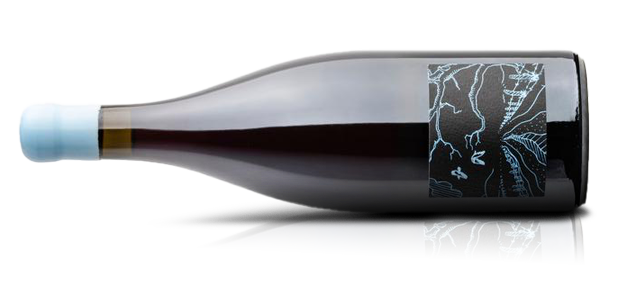
2024 Ghost Rock Oulton Pinot Noir
Justin Arnold, Owner/Winemaker: “The Burgundy of our portfolio. She’s covered by bramble, forest, spice and clover. And a textural hero in our cluster.”
Bouquet:
A lifted bouquet of bright red fruits—think fresh raspberries, red currants, and cranberry —interwoven with wild bramble and raspberry cane. Beneath the vibrant fruit lies an earthy, savoury core, offering subtle hints of tomato stem, dried herbs, and sassafras leaf.
Palate:
The entry is smooth and seamless, with a graceful transition into a light to medium bodied frame. Red fruit flavours persist, joined by a savory undertow that adds depth and intrigue. The texture is supple, with fine grained tannins and a vibrant acid line that carries the wine to a lingering, peppery finish. There's a gentle tension here—elegant, expressive, and savoury. A wine for the pinophiles, no doubt.
Winemaking:
Both clones were picked, destemmed, and cofermented by wild yeast. The wine was hand plunged twice daily, and pressed just at dry. Wild malolactic was encouraged in barrel. The best 7 barrels were selected, 3 of which were new French oak, resulting in a 40% new oak profile. This wine was bottled unfined and unfiltered.
Viticulture:
The Oulton Vineyard is our lowest and most protected – a place where ripeness is achieved via some of the most idyllic growing conditions. Fruit for this wine was selected from clones 115 and Mv6. Vines were hand leaf plucked prior to version to maximize airflow. Winter pruned to 3 arm arched.
£35.00 per bottle
Buy 6 for £180.60 – Only £30.10 per bottle
Also available under bond @ £130.75 per case (6x75cl)
“A beautifully energetic and fresh style for such a warm year.”
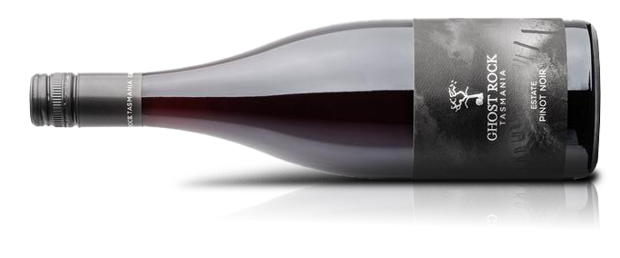
2024 Ghost Rock Estate Pinot Noir
Justin Arnold, Owner/Winemaker: “The iconic Tasmanian style. Sophisticated, elegant, concentrated. Old-vine wonder at its very best here.”
Bouquet:
Bright and vibrant nose of ripe red cherry, raspberry and wild bramble, layers of delicate spice in the background, nutmeg and pepper.
Palate:
A beautifully energetic and fresh style for such a warm year. Lovely acid line and fine, silky tannins. The palate is showing a lot of youthfulness and potential for longevity for years to come.
Winemaking:
Fruit was harvested gently while cold and put direct into press. Following mild clarification, half of the juice was fermented in tank with our house style yeast. The other half was racked to large format neutral barrels, where a wild fermentation was encouraged. At the desired residual sugar level, fermentation was ceased and a 2 month lees stirring program was implemented to promote textural diversity.
Viticulture:
The fruit for this Pinot Noir was predominately sourced from our La Filles, Oulton and Bonadale blocks, which has been the same sites producing our single vineyard selections over the past few seasons. 8 clones are represented in this blend, including ones from California, Dijon, Australian and New Zealand. Vines were leaf plucked and shoot thinned by hand to increase airflow and to promote optimal ripeness.
£25.00 per bottle
Buy 6 for £135.00 – Only £22.50 per bottle
Also available under bond @ £186.50 per case (12x75cl)
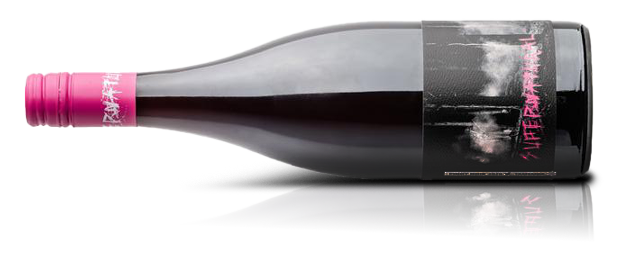
2024 Ghost Rock Supernatural Pinot Noir
Justin Arnold, Owner/Winemaker: “So popular. Fresh, juicy, textured. Full of fun. Unadulterated Pinot Noir right here.”
Bouquet:
Freshly muddled raspberry, black cherry, layers of spice underneath, and a subtle touch of oak. Lifted aromatics continue to be the hallmark of our Supernatural Pinot Noir.
Palate:
A delicate palate with chewy tannins and always present plush fruit spectrum. Vibrant natural acidity keeps the aftertaste lingering.
Winemaking:
Fruit was picked based on clonal ripeness. Ferments were encouraged to begin spontaneously by our native yeast population. This slow take off allowed for natural cold soaking to occur. The vats were hand plunged daily until just dry, when they were drained, pressed, and put down to barrel with a 25% new French oak program. The wine was bottled unfined and unfiltered, with minimal sulfites added at bottling.
Viticulture:
100% Estate Grown from our vineyards old and new. Larger portions of this year’s blend were backed from our Iris and Bonadale vineyards. A blend of 9 clones, all picked individually based on ripeness. 35% 777, 25% Mv6, and the remainder made up of 114, 115, 667, D4v2, D5v12, G5v12 and G8v15. Vines were rigorously leaf plucked mid-season for canopy and fruit exposure, resulting in further concentration of flavour.
£21.00 per bottle
Buy 6 for £119.70 – Only £19.95 per bottle
Also available under bond @ £162.30 per case (12x75cl)
“The structure is balanced and seamless, making this a sparkling that’s both refined and highly drinkable.”
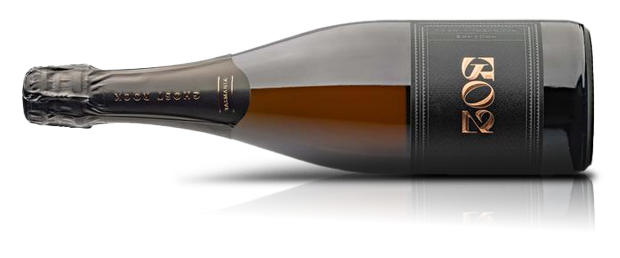
2023 Ghost Rock Zoe Brut Rosé
Blend:
56% Chardonnay 42% Pinot Noir
Bouquet:
Bright and inviting, the nose opens with aromas of fresh cream, ripe strawberry, and golden delicious apple. There's a gentle autolytic character from the year on lees— subtle, creamy, and well-integrated—adding softness to the crisp fruit profile. The Pinot Noir brings red-fruited charm, while Chardonnay contributes freshness and lift.
Palate:
A delicate touch of sweetness rounds the edges, yet remains almost imperceptible— just enough to knit the elements together. A vibrant acid line drives the palate, keeping everything fresh and buoyant. The structure is balanced and seamless, making this a sparkling that’s both refined and highly drinkable.
Harvest date:
31st March & 7 April 2023
Vintage:
The 2023 growing season got off to a later start, with a cool and mild weather in the beginning of the year. February turned up the heat, with warm and dry idealistic growing conditions to bring our fruit to optimal ripeness and flavour intensity. Our vineyards were picked at a steady pace over 5 weeks with about average yields across all blocks and varieties. Hallmark aromatic intensity of spices, savoury tones and concentrated fruit, which we find typical of our site, are demonstrated eloquently in the 2023 wine
Winemaking:
At harvest, the grapes are gently pressed and separated into three quality fractions. Fermentation takes place in a mix of stainless steel and neutral oak barriques, followed by nearly a year of lees aging to build texture and complexity. The wine was tiraged in late summer, then spent a further year on lees in bottle before its first disgorgement— enhancing depth and elegance through extended maturation. The 2023 Pinot Noir parcels showed exceptional power and intensity, prompting us to dial back its proportion slightly this year in pursuit of a more refined and harmonious blend with the Chardonnay.
Viticulture:
Both the Pinot Noir and Chardonnay were sourced from our Bonadale Vineyard, a high aspect site that ripens slowly and late in the season. This gentle ripening pattern allows us to harvest at optimal maturity—crucial for premium sparkling production. Aggressive winter pruning focuses the vine’s energy into fruit development, achieving balanced cropping levels ideal for crafting world-class méthode traditionnelle wines.
Bottling Date: 19 February 2025
£25.00 per bottle
Buy 6 for £132.00 – Only £22.00 per bottle
Also available under bond @ £93.40 per case (6x75cl)
Last 16 bottles
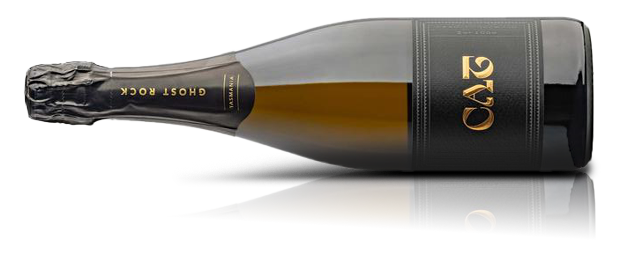
2021 Ghost Rock Catherine Cuvee Exceptionelle
Blend:
60% Chardonnay / 40% Pinot Noir
Bouquet:
A highly aromatic and fragrant nose that lures you in. It has a wonderful array of ripe nashi pear, quince and lemon curd. It has subtle notes of fresh cream and brioche toast.
Palate:
The palate is rich and complex with a lovely weight and generous texture from the lees aging. There is a decadence with the persistence of the ripe fruit flavours, balanced with natural Tasmanian acidity.
Vintage:
2021 was the season that made us worry and wait, but eventually delivered the sort of fruit quality and ripeness we’d been praying for. The season started with a rush of warm spring air that exploded the vines into life, before falling into a summer-slumber with cooler days and wet patches slowing things right down. A mild, dry autumn won the day though as fruit reached their perfect targets just in the nick of time. Moderate volume, high-high quality season.
Winemaking:
The Catherine Sparkling is our classic cuvée. It’s a 60/40 blend of Chardonnay and Pinot Noir, aged in tank and neutral oak for 6 months following fermentation, then aged a further 30+ months on bottle lees. A classic Brut style of Tasmanian sparkling.
Viticulture:
The Chardonnay and Pinot Noir was sourced almost exclusively (80%) from our Bonadale vineyard, which is our best site for sparkling wine with its elevated slopes and lower temperature due to wind exposure. 20% was sources from our Iris vineyard, which grows our only plot of Mendoza clone Chardonnay. This highly aromatic clone has contributed to the generous bouquet on this wine.
£32.50 per bottle
Buy 6 for £165.75 – Only £27.63 per bottle
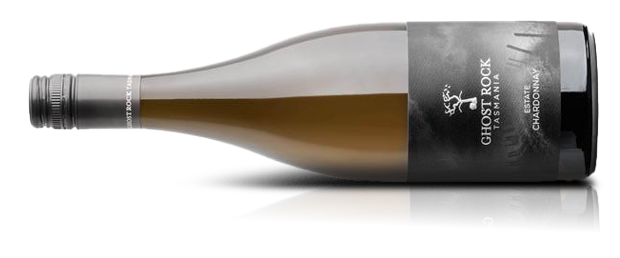
2023 Ghost Rock Estate Chardonnay
Bouquet:
A lovely aroma expressing the full spectrum of a cool climate Chardonnay. Lime blossom, almond meal, lemon peel, hints of biscuit and chalk.
Palate:
The palate has a generous weight and glossy texture, balanced with a through-line acidity that keeps the flavour going, and going. One of our best years of Chardonnay.
Vintage:
Our 2023 vintage was much like 2021, with dryer than average summer conditions, ideal ripening temperatures, and evasion of weather events that gripped other regions. Yields were average across the vineyard, with quality and aromatics proving high across all varietals. Fruit reached ideal ripeness with ease and came in swiftly in 3 short weeks across each of our blocks. An easy growing season, drama-free, and producing some of our most aromatic wines yet.
Winemaking:
Our Chardonnay was hand-selected and pressed while fruit was cold. High solids were retained in the juice to promote texture and complexity. A mix of wild and inoculated ferments were chosen to gain a full spectrum of flavour. Following alcoholic fermentation, the wine underwent partial malolactic fermentation and regular lees stirring. After maturation in 25% new French Oak, the wine was filtered and bottled. No fining.
Viticulture:
Our Estate Chardonnay was sourced from standout parcels of fruit within our Bonadale, Outlon, and Filles vineyards. Vines were winter pruned to 20-25 buds for optimal fruit to vine ratios, and underwent vigorous leaf plucking toward season’s end to ensure optimal light exposure and ripening.
£25.00 per bottle
Buy 6 for £132.00 – Only £22.00 per bottle
Also available under bond @ £183.60 per case (12x75cl)
“Juicy and moreish, with a fine texture and powerful persistence.”
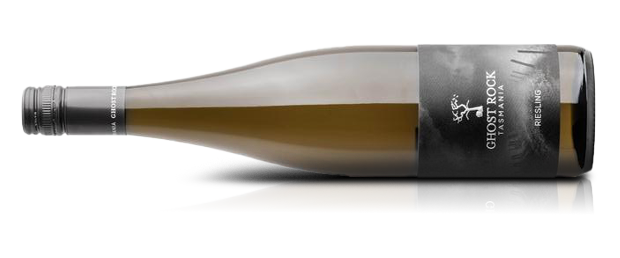
2025 Ghost Rock Estate Riesling
Bouquet:
An inviting nose of lemon peel, grapefruit, green apple, and a hint of chalk. Pure and expressive.
Palate:
Lively on entry, the acidity carries all the way through and delivers a powerful punch. Juicy and moreish, with a fine texture and powerful persistence.
Vintage:
Another warm and dry vintage off the back of 2024, where the rain held off during harvest and we had all the time in the world to pick at ideal ripeness with very little disease pressure. The vines were happy and healthy, and loaded with a high quality crop. We harvested slightly earlier than usual, about a week ahead of our average start date. The whites were brought in slightly earlier to maintain fresh acidity and vibrancy, where some of the Pinots were left on the vine for longer to reach phenolic ripeness.
Overall 2025 was the kind of vintage we dream about, warm days, cool nights and little to no rain during the ripening period. The resulting wines are showing a lovely balance and character consistent with the intense fruit and spice flavours that are a hallmark of our site.
Winemaking:
Fruit was harvested gently while cold and put direct into press. Following mild clarification, half of the juice was fermented in tank with our house style yeast. The other half was racked to large format neutral barrels, where a wild fermentation was encouraged. At the desired residual sugar level, fermentation was ceased and a 2 month lees stirring program was implemented to promote textural diversity.
Viticulture:
Our Riesling is sourced from the Oulton, Bonadale and Iris vineyards - 3 distinctly unique sites despite such proximity to one another. Fruit from the lower cropping, warmer Oulton vineyard was harvested first, before the later ripening Bonadale and Iris fruit arrived at the winery Thanks to aggressive leaf plucking and our maritime conditions, we do not experience much of the disease pressure and fruit loss that can occur when ripening Riesling. Vines are meticulously leaf plucked in early February
£18.50 per bottle
Buy 6 for £102.12 – Only £17.02 per bottle
Also available under bond @ £136.80 per case (12x75cl)

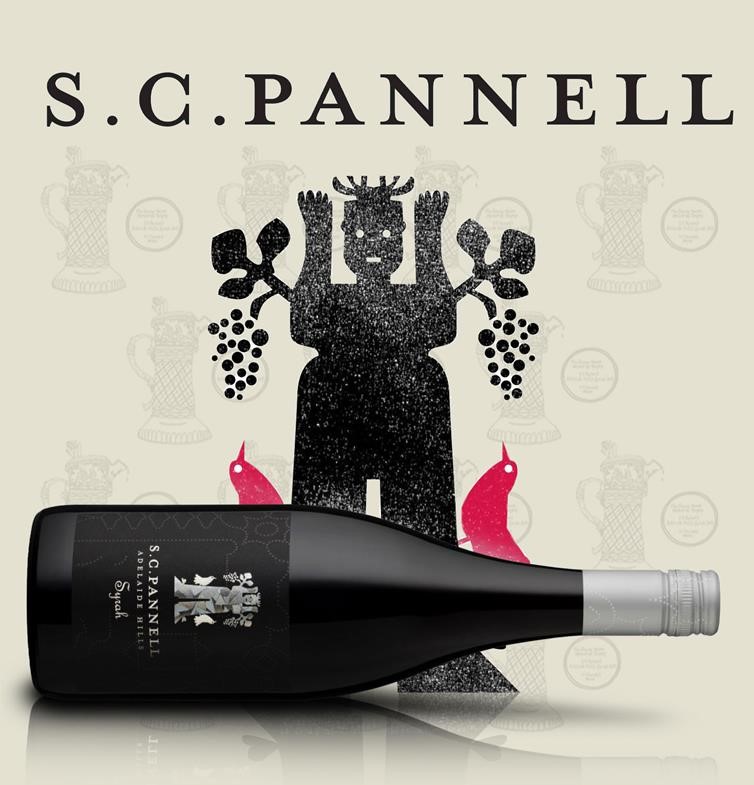
"What dreams are made of..."
The 2014 Jimmy Watson Winner
2013 Adelaide Hills Syrah
"A special, freak of a wine that doesn’t cost a fortune. A perfect, ethereal wine that delivers magnitude with aplomb. I love it."
Stuart McCloskey, tasted January 2026 "Dreams are made of this… I have spent two days with this bottle – every facet uncovered. No rushing – simply, a mesmerising experience. I stopped adding a score to wines a few years back. Everyone’s tastes are subjective, including the pros. I wonder if the critics announce their biases (and we all have them) – would they weaken the value of their scores. There isn’t a hair out of place. Textural perfection – such a sensual experience. Whether you add 100-points or not – to me, everything is perfect. There isn’t one, single flaw.
From the first pour - the bouquet is extraordinary. Black raspberry explodes from the bottle. I have never experienced such a rich and voluptuous perfume (and it is not OTT). So pure. The essence of black fruit. Blackberry pastille, mulberry, violet, dark chocolate, mocha, intertwined with minerals and graphite. Espresso, spicy oak, leather, black olive, brine, and sage are more pronounced (day two). Classical proportions on the palate – perfectly balanced. The fruit is cooling, black and blue. There’s subtle sweetness, impressive density, incredible length (packed with minerals) – tannins are lacy and it finishes with velvet seduction… A special, freak of a wine that doesn’t cost a fortune. A perfect, ethereal wine that delivers magnitude with aplomb. I love it today and look forward to spending the next 10-20-years with it too. Set aside a Sunday and kick everyone out of the house. It will be one of the best days of 2026… Served using Zalto Burgundy stemware (I wanted to hold the perfume in). Not decanted…"
£50.00 per bottle
Also available under bond @ £110.50 per case 3x75cl
The Jimmy Watson: Australia’s Most Coveted Wine Trophy
Words by Clarence G. Kane
In the annals of Australian wine, few names resonate with the same cultural and historical weight as James “Jimmy” Calexte Watson. To understand the significance of the trophy that bears his name, one must first understand the man - a publican, a connoisseur, and, above all, a pioneering educator who fundamentally altered his country’s relationship with wine. He was not merely a purveyor of drink but a cultural architect who laid the foundations for Australia’s modern, sophisticated wine culture.
James Calexte Watson was born on October 18, 1903, in Carlton, Melbourne, a product of a heritage that perfectly positioned him to become a bridge between Old World wine traditions and a burgeoning Australian identity. His father, James Watson, was a Tasmanian-born coalminer, while his mother, Giselda, née Panelli, was Italian-born. This European maternal influence was profound, instilling in him an innate understanding of wine not as a mere intoxicant, but as an integral part of a meal and a civilized life - a concept largely foreign to the Australia of his time. His family was deeply enmeshed in Melbourne’s hospitality fabric, connected through a network of wine-bar and café owners that included the Denat, Virgona, and Massoni families. His middle name, Calexte, was a tribute to his uncle, Calexte Denat, a celebrated French-Swiss restaurateur whose Café Denat was a premier dining destination. This upbringing placed him at the heart of a tradition that valued quality food and wine, a stark contrast to the prevailing national palate.
In 1935, Jimmy Watson purchased a wine saloon on Lygon Street, Carlton, a move that would cement his legacy. The Australia of the 1930s was overwhelmingly a nation of beer drinkers. Wine, when consumed at all by the general public, was often relegated to fortified styles like port and sweet sherry, frequently dismissed with the derogatory term “plonk”. Table wines were a niche interest, and wine bars were not seen as places of sophisticated enjoyment. Watson set out to change this perception. His license permitted him to sell only Australian wine, a restriction he turned into a virtue. He became a tireless champion of the local industry, embarking on a mission to educate his clientele and elevate the status of Australian table wine.
His methods were both innovative and deeply personal. He would travel to Victorian wine regions, personally selecting hogsheads (large barrels of approximately 300 litres) of his preferred styles - dry whites and young reds to bring back to his bar. There, dressed in his signature leather apron, he would bottle the wines himself, often in front of customers, a piece of theatre that demystified the process. The hogsheads were marked with a roaring lion over a barrel, a symbol of quality that still adorns the house wine labels today. He went further than just selling wine; he cultivated a culture around it. Watson organized excursions to wineries, kept a cellar of aged vintages for discerning customers, and transformed his bar into a welcoming hub for international visitors, students, and locals alike.
The character of the wine bar was a direct reflection of its proprietor. Watson was described as gregarious, humane, and democratically minded, yet he was also robust, quick-witted, and firmly in charge, with no tolerance for pretentiousness or drunkenness. His business acumen was matched by his generosity; he famously provided impoverished students with free meals, correctly reasoning that they would return as loyal, paying customers once they were established. Through his efforts, Jimmy Watson’s Wine Bar became a Melbourne institution, a place synonymous with “good food, good drink and good company”. He successfully transformed the image of the Australian wine bar and, in doing so, educated a generation of drinkers, weaning them off “plonk” and introducing them to the pleasures of table wine.
Jimmy Watson suffered from diabetes for several years and died of a coronary occlusion on February 22, 1962. His funeral was a testament to his impact; several hundred people attended, and fellow Lygon Street traders lined the street in a final tribute. In the wake of his death, his friends, family, and loyal customers sought a fitting way to memorialize the man who had done so much to advance the Australian wine industry. Their collective desire to honor his legacy would give rise to the nation’s most famous and coveted wine award.
The Jimmy Watson Memorial Trophy is more than just an award; it is a living monument, an annual reaffirmation of one man’s contribution to Australian wine. Its genesis, criteria, and ascent to unparalleled prestige are intertwined with the story of Jimmy Watson himself, creating a powerful narrative that elevates it above other accolades. It was born not from a committee’s decision but from a community’s grief and admiration, a factor that has imbued it with a unique emotional resonance and authority.
The trophy was first awarded in 1962, the same year of Watson’s passing. The idea for its creation arose organically from conversations among his friends and patrons who wished to create a permanent tribute. Given Jimmy’s close relationship with the Royal Agricultural Society of Victoria (RASV), which ran the annual Royal Melbourne Wine Show, the choice of venue was natural. Watson was a regular at the show, where he would purchase exhibited wines to cellar and sell at his Lygon Street bar, creating a direct link between the producers and his educated consumer base. A prize at this prestigious show was therefore seen as the most appropriate way to honor his dedication to Australian winemaking.
Today, the award’s prestige is upheld by a rigorous and independent judging process. Each year, Melbourne Royal convenes a panel of Australia’s most respected palates - winemakers, Masters of Wine, sommeliers, educators, and distributors who assess thousands of entries through a series of blind tastings. To win the Jimmy Watson Trophy, a wine must not only be deemed the best in its class but must ultimately triumph over all other top young red contenders. This demanding, expert-led process ensures that the winner represents a benchmark of excellence for the entire industry. The combination of its authentic origin story, its direct connection to a beloved pioneer, the marketing power that propelled it to fame, and its credible judging process has created a perfect storm of prestige, making the Jimmy Watson Memorial Trophy the undisputed pinnacle of Australian wine awards.
The ‘Jimmy Effect’: The Transformative Impact of a Trophy Win
Winning the Jimmy Watson Memorial Trophy confers more than just a piece of silverware and industry bragging rights; it unleashes a powerful commercial and cultural phenomenon known as the “Jimmy Effect.” This effect is a multi-layered force that can redefine a winery’s trajectory, elevate the profile of an entire wine region, and provide profound personal validation for its creators. For decades, an old industry saying claimed that winning the ‘Jimmy’ was worth a million dollars to a business. In the contemporary era of digital communication, where news of the win is disseminated globally in seconds, that figure likely underestimates its true value.
The most immediate and tangible impact is on sales and brand recognition. The trophy acts as an unparalleled consumer signal, creating a surge in demand that can be overwhelming, particularly for smaller producers. When Home Hill, a tiny Tasmanian winery, won in 2015 for its Kelly’s Reserve Pinot Noir, the wine sold out “in record time.” The winery awoke the morning after the awards dinner to an inbox “overflowing with orders”. Similarly, Glenn Goodall, Senior Winemaker at Xanadu Wines, described their 2018 win as “huge,” leading to a “massive profile boost for the winery” and an “immediate impact on sales and growth of our brand”.
Andrew Quin of Hentley Farm, the 2022 winner, echoed this, noting that while the trophy results in “immediate sales, the biggest impact is on overall brand awareness and perception of quality”. The award places a winery at the forefront of consumers’ minds, creating a buzz that no marketing campaign can replicate.
Regardless of the sales impact, the Jimmy Watson Memorial Trophy stands as more than just a prize. It is a symbol of the dynamic and ever-improving quality of Australian red wine, a driver of industry conversation, and a continuing testament to the spirit of its namesake - a man who believed in the great potential of an Australian bottle.

From the archives: Stephen Pannell and wife Fiona Lindquist collecting the hallowed Jimmy Watson memorial trophy.
Stephen Pannell
Flavour: “Aromas of cassis, fenugreek, charcuterie and tapenade are all consistent with nine years of bottle age. However, the surprise is in the abundance of fruit aromas: blackberry, blueberry and pomegranate followed by spices: Kampot pepper, red cedar and frankincense. Revealed with a little air is sea spray, petrichor, crushed rocks and roasted red capsicum. A viscous nose that wavers from black fruits to blue. The palate is more youthful than the nose with dark chocolate, clove, cinnamon, satsuma plum, lavender, rhubarb and preserved citrus.”
Texture: “Pure silk on entry with tannins that yawn, stretch and unwind as they progress across the palate. The texture and flavours meld like a Chesterfield on a blue slate floor with a vibrancy that belies its age. The long finish delivers another round of flavours and texture wavering between earth, spice and dark fruit. Power with delicacy and proof that Shiraz belongs in Australia, especially in cooler climates.”
Huon Hooke, 26 Oct 2023
"This just happens to be an outstanding wine, a Jimmy Watson Trophy winner, no less. At 10 years on, it is still a stunner, only a slightly different stunner to what it was in October 2014 when I first tasted it. Super-deep colour with some tawny and black tinges but also a trace of purple: remarkably youthful for its age. Ultra-complex bouquet of roasting meats, raisin-toast (with cinnamon!). In the mouth it's multi-layered and powerful, concentrated and intense, with great drive and persistence, and a profound depth of complex matured flavour. It still has many years ahead of it. A great wine for those who still think screwcaps compromise the aging of red wines."