  Why one of the finest investments in your wine cellar might not be wine… There is something faintly absurd about spending years assembling a collection of extraordinary wines, carefully considering provenance, vintage, producer, drinking windows and storage conditions, only to give almost no thought to the vessel from which those wines will eventually be enjoyed. We will happily debate the merits of different oak regimes, whole-bunch fermentation, lees ageing and the influence of vineyard soils. We invest in temperature-controlled cellars, sophisticated preservation systems, and occasionally eye-wateringly expensive corkscrews. Yet the final point of contact between the wine and our senses is so often treated as an afterthought. Over the many years, we have used just about every conceivable wine glass. Different manufacturers, shapes, sizes, weights, and price points. We have experimented extensively, occasionally been impressed, frequently been disappointed and, more than once, wondered whether some of the extravagant claims made by glass manufacturers belonged alongside the more imaginative descriptions found on the back labels of wine bottles. However, one artist has consistently stood apart. Zalto. And, for me, by a considerable margin. I should make something clear from the outset. This is not an argument that an expensive glass will transform an indifferent wine into something magnificent. It will not. Nor do I subscribe to the suggestion that every grape variety requires its own elaborately engineered vessel, each supposedly capable of unlocking a secret that would otherwise remain hidden from the drinker. There is a point at which the science of glassware gives way to marketing, and I suspect that point is reached rather more frequently than the industry would care to acknowledge. Nevertheless, the difference between drinking a fine wine from an ordinary glass and drinking that same wine from a beautifully designed, exceptionally thin, properly proportioned vessel can be profound. Not because the glass changes the wine, but because it changes the way we experience it. Wine is an extraordinarily complex mixture of volatile and non-volatile compounds. Hundreds of aromatic substances contribute to what we perceive as fruit, flowers, spice, herbs, earth, oak, smoke and the myriad other characteristics that make wine so intellectually and sensorially fascinating. Many exist in astonishingly small concentrations, yet our olfactory system can detect certain compounds at remarkably low thresholds. Their release depends on temperature, volatility, the composition of the wine, the surface area exposed to air and the movement of the liquid within the glass. This is where design becomes important. A generously proportioned bowl provides space for the wine to move, while the relationship between the bowl and its opening influences how aromatic vapours accumulate, disperse and reach our noses. The glass does not manufacture aromas that were previously absent. Rather, its geometry can change the concentration, balance and timing of the aromatic compounds we encounter. Consider a mature Pinot Noir. In one glass, the wine might appear pleasantly fragrant, offering familiar notes of red fruit and gentle spice. In another, the same wine may reveal a far more intricate arrangement of dried rose petals, forest floor, sous-bois, sweet tobacco and savoury complexity. An exceptional Chardonnay can seem more articulate, with its citrus, stone fruit, struck-match reduction, oak and lees-derived characteristics presenting themselves with greater distinction. These differences are not universal, nor should we pretend that every wine responds identically to a particular shape. But after years of comparative tasting, I have become convinced that an exceptionally well-designed glass gives an accomplished wine a better opportunity to express itself. What makes Zalto so special is not simply its appearance, although I consider the Denk'Art range extraordinarily beautiful. It is the remarkable combination of lightness, balance, proportion and delicacy. The stems are exceptionally fine, the bowls almost impossibly thin, and the whole construction seems to defy the amount of wine it can comfortably accommodate. Yet the glasses never feel like an exercise in design for design's sake. They feel entirely purposeful. A great wine glass should become a natural extension of the hand, comfortable to hold and effortless to swirl, with a rim so unobtrusive that the transition from glass to wine feels almost seamless. Zalto achieves this more convincingly than anything else I have used. Indeed, one of the great paradoxes of exceptional glassware is that the better it becomes, the less conscious you are of its presence. You notice the wine rather than the object containing it. The distinction between mouth-blown and machine-made glassware is particularly interesting. A mouth-blown glass is shaped by a skilled craftsperson working with molten glass, using controlled inflation, rotation and shaping to achieve the desired form. Producing an exceptionally thin, beautifully balanced bowl with a delicate rim requires extraordinary dexterity and judgement. Machine-made glasses, by contrast, are produced through industrial processes designed for precision, consistency and scale. Modern manufacturing is remarkably sophisticated, and some machine-made glasses are excellent. It would therefore be misleading to claim that mouth-blown glassware is automatically superior. It isn't. The distinction lies in the combination of characteristics that the finest craftspeople can achieve: extraordinary lightness, subtle transitions between bowl and stem, exceptionally fine rims and a tactile quality that is difficult to reproduce. The finest handmade glasses possess an elegance that goes well beyond their visual appearance. This matters because drinking wine is not exclusively an exercise in taste and smell. It is also tactile. We experience the weight of the glass, its balance in the hand, the diameter of the stem and the sensation of the rim against our lips. A thick, rounded rim introduces a noticeable physical barrier between the drinker and the wine. An exceptionally fine rim feels entirely different, allowing the wine to arrive with a delicacy and immediacy that I find enormously pleasurable. There is also a psychological dimension. Sensory research has demonstrated that the appearance, weight and character of drinking vessels can influence our perception of their contents. The brain integrates sight, touch, smell, taste and expectation into a single experience. Some might dismiss this as psychological rather than real, but I find that distinction rather meaningless. If a beautifully crafted glass encourages us to pay closer attention, spend longer exploring a wine and derive greater pleasure from drinking it, then surely it has achieved something worthwhile. Every tasting note I write for The Vinorium is based on wines tasted from Zalto glasses. This is not a casual preference but a deliberate part of the way I assess wine. Consistency matters enormously when tasting professionally. We cannot eliminate every variable, but we can control a great many of them. Glassware, serving temperature, the volume poured and the time allowed for development all influence the experience. Using familiar, trusted glassware establishes a reliable reference point, allowing me to concentrate on the wine rather than continually adjusting to the peculiarities of a different vessel. When I describe the perfume of a Pinot Noir, the texture of a Chardonnay or the extraordinary aromatic complexity of a mature Barossa Shiraz, those observations have been made using the glassware in which I have the greatest confidence. For all the discussion surrounding grape-specific glasses, and despite the bewildering number of shapes available, I use just three Zalto designs: Universal, Burgundy and Bordeaux. That's it. Over the years, my preferences have evolved considerably, particularly as I have become more interested in the relationship between a wine's aromatic expression, its texture and the dimensions of the glass. What might surprise some readers is that the Burgundy has become, by a considerable margin, the most versatile and important glass in my collection. I now use it for almost every red wine, every Chardonnay and an increasing number of textural white wines. This is not how I began. It is where years of tasting and experimentation have led me. The Zalto Universal is my preferred glass for Champagne, sparkling wines, Riesling, Pinot Gris and Sauvignon Blanc, particularly those displaying freshness, aromatic precision and a more linear structure. Its proportions provide sufficient room for aromatic development without the expansive bowl of the Burgundy. For Riesling, the delicate interplay of citrus, orchard fruit, floral notes and, with maturity, those fascinating hydrocarbon characteristics can be appreciated with wonderful clarity. Similarly, youthful Sauvignon Blanc often benefits from the Universal's more focused aromatic presentation. Champagne / Sparkling wine is another fascinating example. I abandoned traditional flutes years ago. Although visually attractive, their narrow shape can restrict the opportunity to explore the aromatic complexity of serious Champagne / sparkling wine. A great fizz is, after all, a great wine that happens to contain bubbles. Why should we deny it the opportunity to express itself? The Universal offers a wonderful compromise between aromatic expression and the preservation of effervescence, even if its wider opening allows carbon dioxide to escape more readily than a traditional flute. The Burgundy, however, is where things become particularly interesting. If I could keep only one wine glass, this would be it. Its generous bowl provides ample room for swirling, while the inward-curving upper section influences how aromas are presented to the nose. There is a misconception that a larger bowl automatically produces a more expressive wine. It does not. Different aromatic compounds behave differently, and greater headspace can sometimes dilute rather than intensify particular aromas. Nevertheless, in my experience, the Zalto Burgundy consistently provides an exceptionally revealing environment for complex wines, particularly those whose appeal extends beyond primary fruit. Chardonnay is perhaps the most compelling example. An outstanding Chardonnay is rarely defined by fruit alone. Its personality might encompass citrus, stone fruit, struck-match reduction, lees-derived savouriness, subtle oak, mineral impressions and a texture ranging from taut and crystalline to rich and almost architectural. These characteristics do not necessarily present themselves simultaneously. They unfold, overlap and evolve as the wine warms and encounters oxygen. I find the Burgundy glass particularly effective at revealing these layers, especially in Chardonnay with significant lees influence, restrained reduction or complex barrel maturation. The wine often appears more expansive and articulate without sacrificing the structural definition that makes it interesting. This is why every Chardonnay we assess at The Vinorium is tasted from a Burgundy glass. The same thinking informs my approach to Chenin Blanc and Sauvignon Blanc. A young, taut Chenin can be magnificent in the Universal, but a more textural expression, perhaps involving extended lees contact, barrel fermentation or significant bottle development, can reveal extraordinary complexity in the Burgundy. Quince, beeswax, lanolin, citrus peel, orchard fruit and savoury notes become wonderfully intricate. Similarly, while a youthful, intensely aromatic Sauvignon Blanc generally finds its way into my Universal, a serious, textural example, perhaps barrel-fermented, or blended with Sémillon, is increasingly likely to be served in the Burgundy. The grape variety has not changed. The style and structural ambition of the wine have. This is precisely why I find rigid grape-specific glassware classifications rather limiting. With red wines, my preference for Burgundy has become even more pronounced. Pinot Noir is the obvious candidate, its perfume, delicacy and often elusive aromatic complexity seemingly made for the generous bowl. But Grenache, Nebbiolo, Cabernet Franc, Syrah, Shiraz and Cabernet Sauvignon have all found their way into my Burgundy glasses. I particularly enjoy the way the glass can reveal the aromatic detail of wines that combine concentration with elegance. A beautifully crafted Barossa Shiraz, for example, is not simply an exercise in dark fruit and power. The finest examples offer extraordinary layers of spice, florals, herbs, earth and savoury complexity. Likewise, Cabernet Sauvignon can be far more perfumed than its reputation sometimes suggests, with cassis, violet, cedar, graphite, tobacco leaf and dried herbs forming an immensely sophisticated aromatic profile. I want to experience those subtleties, not merely the wine's weight and concentration. The Bordeaux glass remains excellent, particularly for structured reds, Cabernet Sauvignon, Bordeaux blends and Shiraz. Its taller, more elongated bowl creates a different relationship between the wine's surface, the available headspace and the opening through which aromas are encountered. There are occasions when a powerful young Cabernet appears particularly harmonious in this shape, and some substantial Shiraz wines respond beautifully. However, I find myself reaching for it less and less frequently. Not because I have discovered anything fundamentally wrong with its design, but because the Burgundy has repeatedly impressed me with its versatility, including with wines I would previously have considered natural candidates for Bordeaux glassware. This has led me to question an assumption I held for many years: do structured, full-bodied red wines necessarily benefit from a taller, narrower glass, or have we simply become accustomed to associating certain shapes with particular varieties? I intend to put this question to the test. Over the coming weeks, I will conduct a series of side-by-side tastings using identical wines served simultaneously in Zalto Burgundy and Bordeaux glasses. Cabernet Sauvignon, Bordeaux blends and Shiraz will feature prominently. Both glasses will receive the same volume from the same bottle, at the same temperature, and I will compare their aromatic expression, balance, texture and overall drinking pleasure as the wines develop. I am particularly interested in whether the Burgundy continues to reveal greater aromatic complexity or whether the Bordeaux offers advantages in definition, harmony and the perception of alcohol and tannin. The glass that makes the strongest initial impression may not necessarily remain my favourite after thirty or sixty minutes. I will share the results, including any surprises. If the Bordeaux wins, I shall happily admit it. There is also a compelling economic argument for investing in exceptional glassware, and I think many wine collectors approach it from the wrong direction. A customer might spend several thousand pounds assembling a cellar, perhaps considerably more, yet hesitate at spending £250 or £300 on a set of beautifully crafted glasses. I understand the hesitation. They are expensive, delicate and not particularly exciting to acquire compared with another case of something wonderful. But consider the relationship between the cost of a glass and the number of occasions on which it will be used. A bottle of fine wine is enjoyed once. Its pleasure may be considerable, but the experience is finite. A great wine glass can be used hundreds, potentially thousands, of times. It will accompany the inexpensive Tuesday-evening Pinot Noir, the celebratory fizz, the carefully cellared Cabernet and the extraordinary old Shiraz that has been waiting patiently for precisely the right occasion. Suppose a set of six glasses costs £300 and provides ten years of regular enjoyment. That represents £30 a year for the entire set, before allowing for the occasional casualty. Even if the glasses are used only twice a week, the cost per use becomes remarkably modest. Compare that with the incremental cost of upgrading a single bottle of wine. For someone who drinks and appreciates fine wine regularly, I struggle to think of many purchases that offer such enduring value. Of course, there is a practical consideration. Very fine mouth-blown glassware requires care. It is not indestructible, and there will inevitably be accidents. I have certainly experienced that particular heartbreak. But fragility should not be confused with impracticality. Good glasses are intended to be used, not preserved indefinitely behind cabinet doors. I would rather enjoy an exceptional glass for years and eventually lose it to an accident than spend those same years drinking from something inferior because I was frightened of breaking the better one. One final point, which may surprise those unfamiliar with Zalto - they are dishwasher-safe. Indeed, I have never hand-washed a single Zalto glass. Provided they are securely positioned and cannot touch other items, the dishwasher does an excellent job. My advice is to use a gentle glassware programme, allow the dishwasher to complete its drying cycle, then remove the glasses and leave them to air-dry naturally if any moisture remains. There is no need to polish them either, and certainly no reason to risk twisting those beautifully delicate stems and bowls. In my experience, hand-washing and polishing present far greater opportunities for breakages than a properly loaded dishwasher. Perhaps this is ultimately what I find so compelling about the subject. There is a difference between simply drinking wine and allowing yourself to become lost in it. Not every glass needs to invite intellectual analysis, nor should every bottle become an examination of acidity, tannin or aromatic complexity. Some of life's loveliest moments involve a generous pour, the warmth of good company, or the quiet pleasure of sitting entirely alone, with nothing but your thoughts and a beautiful glass of wine. There is something wonderfully intimate about those occasions, when time seems to slow, the distractions of the day gently recede, and the wine becomes part of the moment rather than its principal subject. Whether we are celebrating something extraordinary or finding contentment in the beautifully ordinary, the pleasure is no less meaningful. And whatever the occasion, whatever our surroundings, surely a wine deserves the opportunity to reveal everything it has to offer. After all, we cannot always choose the moments that become memories, but we can choose the glass from which we savour them. A little practical information is worth sharing, particularly with Christmas approaching rather more quickly than I would like. The current lead time from Zalto to our UK headquarters is approximately three weeks, and we intend to place our next order with them next week. We will not be purchasing large quantities of speculative stock. Instead, we are taking a measured approach to this reintroduction, allowing customer demand to guide our purchasing. Consequently, if you are considering treating yourself, replacing a few casualties or buying a particularly lovely Christmas present for someone who appreciates good wine, I would encourage you to order sooner rather than later. Important: Zalto Terms and Conditions of Sale We guarantee the condition of Zalto glassware against defects of manufacture and materials however, you must advise us within 7 days of the delivery date if you find a defect. You must examine the condition of all glassware once in receipt of the same and immediately contact us if you have cause for concern. We will replace or refund any faulty or damaged glassware however, you must notify us within 7 days of the delivery date. Please keep all original packaging and provide photographs of the damage. We are not liable for any claim for loss, damage or shortcomings unless we are notified within 7 days. • We are not liable for any claims of accidental damage once you have accepted safe receipt within the 7 day notice period. This includes accidental damage during the washing and drying process. 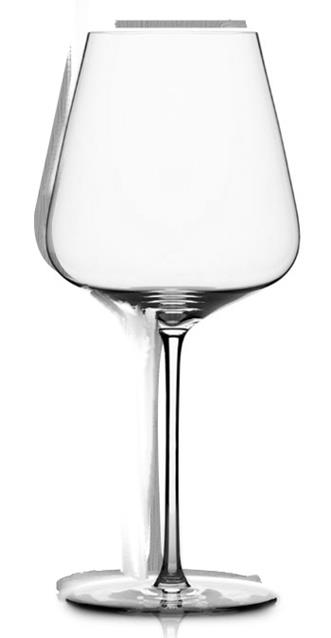 Zalto Denk-Art Stuart McCloskey “The list of red grape varietals is exhaustive and many I have yet to experience. All Bordeaux varietals work a treat (Cabernet Sauvignon, Merlot, Cab / Franc, Malbec, Carménère, Petit Verdot). Equally, Rhône varietals too, which cover Syrah (Shiraz), Carignan, Grenache, Cinsault, Mourvèdre (Mataro), Petite Sirah and Counoise…. Zinfandel, Barbera, Nebbiolo and Sangiovese too. As I say, this is not a definitive guide… There is a ‘but’ to the above list and that’s down to the style of the wine, one’s mood and is the red better served slightly chilled. For example, Nero D’Avola which is a bright and easy drinking wine. It’s fab slightly chilled as are many Pinot Noirs and Gamays. In which case, serve in Zalto Universal glass to aid alfresco consumption and to keep the chill in…” £52.00 per glass £300.00 per box of 6 Available for delivery from week commencing 30 November 2026 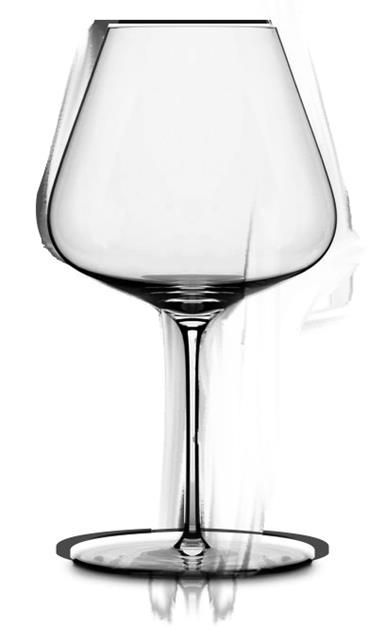 Zalto Denk-Art Stuart McCloskey “Pinot Noir, Gamay, Nebbiolo, Barbera and Chardonnay positively flourish in this stemware as do mature Bordeaux and many white, Rhône varietals (Viognier, Marsanne, Roussanne etc). The voluminous bowl and tapered rim allows for plenty of aeration without over oxidation. Of course, the bigger the bowl, the quicker the temperature will rise (be careful with your white wines). Aesthetically appealing and my go-to wine glass as so many of my wines seem to develop into beauties. Try serving the same red in the Bordeaux and Burgundy stemware and build-up a bank of knowledge – what is best for each wine. Additionally, what is best for your own taste, which and after all, is the most important factor.” £52.00 per glass £300.00 per box of 6 Available for delivery from week commencing 30 November 2026 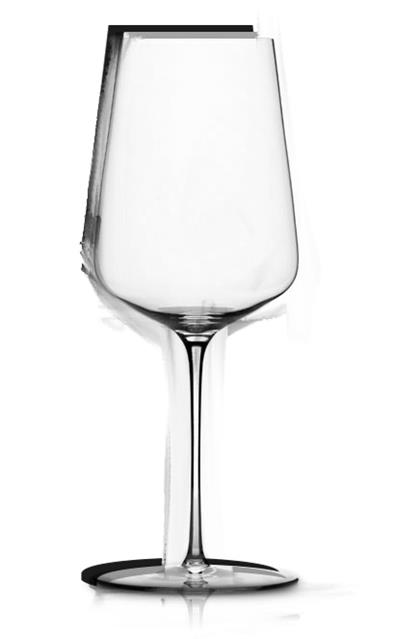 Zalto Denk-Art Stuart McCloskey “This is great for all sparkling / Champagne, Riesling, Albariño, Grüner Veltliner, Gewürztraminer, Chenin Blanc, Sémillon, Marsanne, Pinot Blanc, Roussanne, Grenache Blanc etc… however, and depending on the age of the wine and the experience I wish to capture, I often change over to the Bordeaux stem. You see, a smaller glass reduces the level of oxidation. Aromatics flow and develop however, perhaps, they are less aromatic than a wine served in a larger bowl (or not depending on the varietal). Of course, a larger bowl can lead to a wine oxidising too quickly (a no, no for mature wines or those with delicate varietals). Acidity feels ‘tighter’ in the Universal stem which is an important factor for freshness. Take a young Riesling as an example, which are often more delicate, floral and mineral driven… Exposing this to too much oxygen will undoubtedly affect the aromatics and providing less focus – it will feel ‘flat’. Moreover, and when serving sparkling wine, oxygen will certainly take the bubbles out of your bubbles and reason for the flute. But, and as previously explained, it’s an aromatic killer and reason why I serve small quantities in my Universal glass. Aromatics are lifted with the increased level of aeration (not too much, mind you) and I can swirl away and pontificate like Olly Smith on Saturday Kitchen.” £50.00 per glass £290.00 per box of 6 Available for delivery from week commencing 30 November 2026 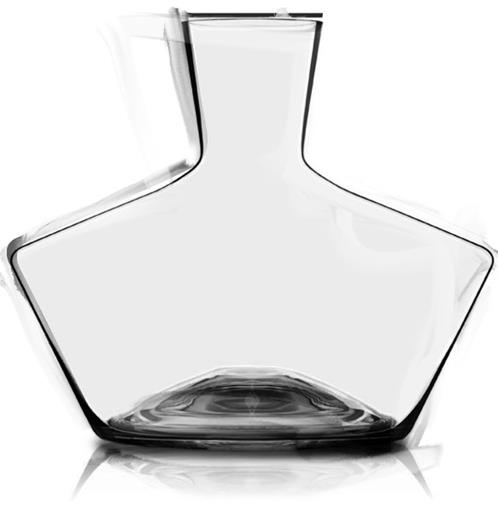 Zalto Denk-Art Perfectly aerate your favourite wine with this Mystique decanter from Zalto. Made by highly skilled glass blowers it is crafted from lead-free crystal which has a high resistance against clouding. It echoes the delicate virtuosity of the great Venetian glass artists of the Renaissance and makes a wonderful gift idea for any wine enthusiast. £120.00 per decanter Available for delivery from week commencing 30 November 2026 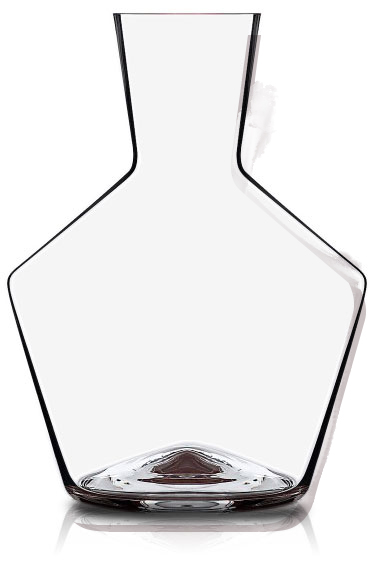 Zalto Denk-Art This Zalto Axium decanter is perfect for aerating wine, it will really appreciate the large base and diameter. It’s easy to use/pour and looks fantastic on any dinner table. £105.00 per decanter Available for delivery from week commencing 30 November 2026   “Intriguingly, the comparison that repeatedly comes to mind is not another Australian Shiraz, but the great Syrahs of Côte-Rôtie and Hermitage…” 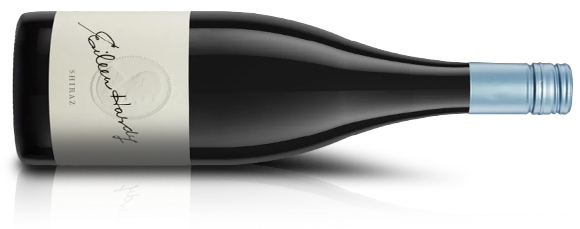 Eileen Hardy Shiraz 2010 RRP at launch $125.00 (£65.00) Stuart McCloskey, tasted 15 October 2026 “Sixteen years old and seemingly in no hurry whatsoever. There are few things more satisfying in wine than opening a mature Australian Shiraz and discovering that time has not diminished its character but transformed it into something altogether more fascinating. I am currently working my way through a bottle of the 2010 Eileen Hardy Shiraz, and what an extraordinary experience this is proving to be. Sixteen years of bottle age have delivered a wine of remarkable complexity, freshness and structural integrity. More intriguingly, the comparison that repeatedly comes to mind is not another Australian Shiraz, but the great Syrahs of Côte-Rôtie and Hermitage… First, a little context. The 2010 vintage was an exceptional year for McLaren Vale, particularly for Shiraz. Favourable growing conditions, replenished soil moisture and a relatively mild ripening period allowed producers to achieve impressive concentration without sacrificing freshness or balance. The finest wines possessed considerable depth, beautifully developed tannins and the structural foundations necessary for prolonged cellaring. It was a vintage that rewarded patience, although I wonder how many bottles have actually been afforded the opportunity to demonstrate their true potential. The Eileen Hardy pedigree is considerable, drawing upon McLaren Vale vineyards, including the historic Upper Tintara site, with vines dating back more than a century. Sixteen years later, what strikes me most is how decisively this wine has moved beyond its youthful, fruit-driven personality. The savoury and tertiary characteristics are now firmly in command. This is not a Shiraz that announces itself through an enormous explosion of ripe blackberries, sweet plums and lavish oak. Instead, the emphasis has shifted towards a more complex, contemplative expression, the sort of transformation that makes mature wine so endlessly rewarding. There is a distinctly Northern Rhône-like quality to its evolution, a fascinating interplay between savoury maturity and underlying strength. Bouquet: Leather, smoked meats, game, truffle, dark chocolate, soy, liquorice, freshly cracked black pepper, blackberry liqueur, warm earth, you can easily pick out the minerality, wonderful florals – coffee, too. The concentration and complexity are off the scale. The comparison with Côte-Rôtie and Hermitage is not made for the sake of it. These are two of the world's most celebrated expressions of Syrah, renowned for their capacity to combine aromatic complexity, savoury character and remarkable longevity. Côte-Rôtie can possess an almost haunting elegance, while great Hermitage frequently displays formidable concentration and tannic authority. What I find so compelling about the 2010 Eileen Hardy is that it appears to occupy a position somewhere between the two. There is the aromatic sophistication and savoury intrigue one associates with mature Northern Rhône Syrah, yet beneath this lies the muscular architecture and depth of a serious McLaren Vale Shiraz. Perhaps the greatest surprise is the freshness. At sixteen years of age, one might reasonably expect a wine of this concentration to have softened considerably, its once-powerful structure gradually surrendering to maturity. Not here. There is an extraordinary sense of energy running through the wine, providing definition, tension and vitality. The tannins remain purposeful and remarkably persistent. They have certainly not disappeared into a comfortable, velvety retirement. Instead, they continue to provide the framework around which the wine's increasingly complex personality is developing. There is something wonderfully contradictory about a wine whose aromatic character speaks so convincingly of maturity while its structure suggests that it has many years of life remaining. This brings me to the question of longevity. I would have absolutely no hesitation in suggesting that a well-stored bottle has at least another decade of cellaring ahead of it. For now, I am content to continue following this wine as it develops in the glass. I have no intention of rushing it, and prolonged decanting seems entirely unnecessary when the pleasure lies in observing its gradual evolution. Served using Zalto Burgundy stemware…” 97 Points - James Halliday “100% McLaren Vale from 106yo vines in Upper Tintara and from McLaren Flat. Open-fermented with pneumatic pigeage/punch down, 3 days cold soak, 14 days on skins. The vivid, deep crimson-purple hue tells of an intense mix of blackberry and blackcurrant flavours, with breathtaking texture, the ultimate fist in an iron glove. A 25-year life span is extremely conservative. Published 11 July 2021 RRP £49.99 There is something wonderfully rebellious about a winemaker who looks across Margaret River, one of Australia's most celebrated Cabernet Sauvignon regions, and decides that what it really needs is three Portuguese grape varieties. Touriga Nacional, Tinta Cão and Sousão, to be precise. Then again, Nic Peterkin has never shown much interest in following convention, which is precisely why we find his wines so compelling. The NEW 2023 L.A.S. Vino Pirate Blend comes from a remarkable 40-year-old, dry-grown vineyard in Yallingup, originally planted with fortified wine production in mind. Quite how these Portuguese varieties found themselves growing in this corner of Western Australia is a fascinating story in itself. What matters today is that Nic has recognised their potential to produce something entirely distinctive. This is no experimental curiosity, but a serious wine from mature vines with an extraordinary sense of individuality. Touriga Nacional provides the backbone, delivering dark-fruited concentration, perfume and structure. Tinta Cão brings aromatic finesse and spice, while a smaller contribution from Sousão introduces vivid colour and a wonderfully refreshing seam of acidity. The fruit was hand-picked and meticulously sorted before the wine spent 18 months maturing in barrique. Beneath the mischievous name lies some very considered winemaking. Perhaps what we admire most is that the Pirate Blend makes absolutely no attempt to taste like anything else. It doesn't masquerade as Cabernet Sauvignon, nor does it rely on sheer power to make its point. Instead, it offers a different interpretation of Margaret River, one that is fragrant, deeply flavoured, structurally assured and rather delicious. It is also a reminder that some of Australia's most interesting wines are being made by those willing to question what their regions are supposed to produce. “There is something rather brilliant about a wine that can be so flamboyant on the nose, so generous on the palate and still retain such clarity and purpose.” 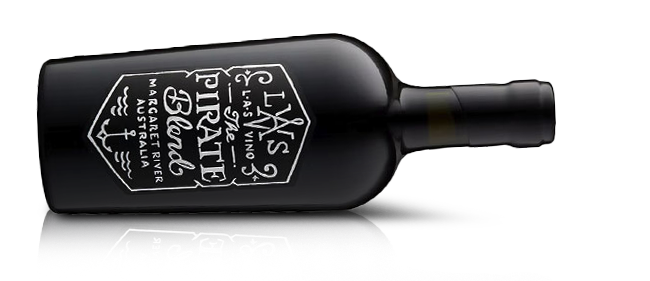 L.A.S Vino Pirate Blend 2023 Stuart McCloskey, tasted 16 October 2026 “Good heavens, this really shoulders its way into the room. I poured my sample into a Zalto Burgundy stem and left it alone for an hour, which, as it turns out, was an hour very well spent. The aromatics are wonderfully festive, almost intoxicating in their complexity. Imagine plump maraschino cherries gently poached in a sweet, spiced syrup, infused with freshly pared orange zest, star anise, cloves and fragrant cinnamon bark. There is a glorious warmth to the bouquet, with layers of black plum, macerated cherries, dark chocolate and exotic spice unfolding with every swirl. A suggestion of dried orange peel, polished wood and something faintly earthy adds another dimension. It smells like Christmas in the most sophisticated sense. Make no mistake, this is a super-punchy, gloriously extravagant bouquet that could quite easily knock Granny off her chair. The palate is equally commanding. Rich, deeply concentrated and generously proportioned, with an almost liqueur-like intensity to the dark cherry and plum fruit, yet there is nothing heavy-handed about the delivery. The wine possesses tremendous breadth through the mid-palate, its densely woven tannins providing a firm, muscular framework beneath the luxurious fruit. This is where the Portuguese varieties really assert themselves. There is grip, authority and a wonderfully savoury, almost ferrous quality that offsets the sweeter spice notes. A vibrant thread of acidity cuts through the richness, introducing freshness and remarkable definition. The finish is extraordinarily long, warming and persistent, leaving echoes of spiced cherries, orange oils, bitter chocolate and fragrant wood spice. And then there is the texture. Wonderfully tactile, almost velvety in places, yet underpinned by that unmistakable structural firmness. This interplay between richness, texture and precision is the hallmark of Nic's winemaking, and it is displayed here to magnificent effect. For all its exuberance, this is a remarkably composed wine. Broad-shouldered, deeply flavoured and unapologetically expressive, yet held together by impressive structural discipline. There is something rather brilliant about a wine that can be so flamboyant on the nose, so generous on the palate and still retain such clarity and purpose. It is difficult not to be seduced by the sheer generosity of the thing. I would happily drink this now, although the concentration, acidity and formidable tannic structure suggest there is plenty more to come with patience. A little piracy, it turns out, can be a very good thing.” Ray Jordan, W.A. Wine Review “I was fascinated to see what Peterkin would do with this blend of Portuguese varieties — touriga nacional, tinta cão, and sousão, from the 2023 vintage. To say I was not disappointed is an understatement. It is a brilliant wine loaded with rich, vibrant fruit, displaying slightly spicy plummy notes and dark chocolate richness. There’s energy and life coursing through it, and that silky-soft, satiny finish is quite exquisite. I don’t think I could keep my hands off this wine. It’s screaming out to be drunk now, but you could certainly leave it if you wished.” £32.50 per bottle “A tangible connection to the flavours and aromas of Christmas. Minerality flows as does the sense of its birthplace.” 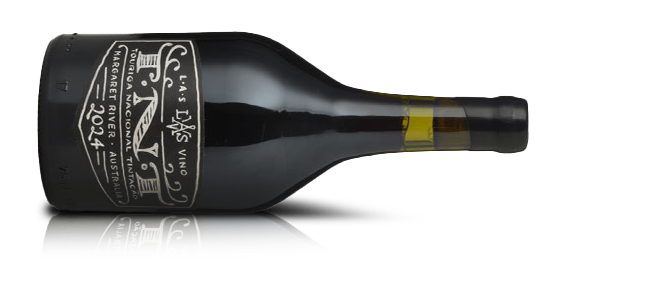 L.A.S Vino TNT Touriga Tinta Cao 2023 Stuart McCloskey, tasted 10th October 2025 “Good Lord – straight off the bat, this is a dreamboat of a bouquet. Jam packed with ripe black and blue fruits (all of them), sweet baking spices, violets, a little Burgundy farmyard character, fresh bay leaf, a deep satisfying aroma of seaweed, warm earth, dried rose petals, lead pencil, and ends with a heady scent of fresh vanilla pod and minerality. Nostalgic, comforting and one of those wines that makes you want to dive into it. The flavours are triumphant, long, and deeply satisfying. The palate is medium-bodied, fresh, which is the trick with this wine. The lavish fruit (raspberry, blackcurrant and plum) are cloaked in a sheath of graphite – I enjoy the bitter twang of dark chocolate, the lift of tart cranberry and sour cherry. Cinnamon is dusted judiciously. There is a tangible connection to the flavours and aromas of Christmas. Minerality flows as does the sense of its birthplace. Unforced, and crafted by gentle hands. I don’t recall the sample tasting so good! Drink now to 2035.” £22.95 per bottle “Bordeaux in its classical structure, unmistakably Australian in its seductive fruit, and almost Burgundian in its aromatic delicacy and textural finesse. Three rather different personalities, all coexisting in perfect harmony.” 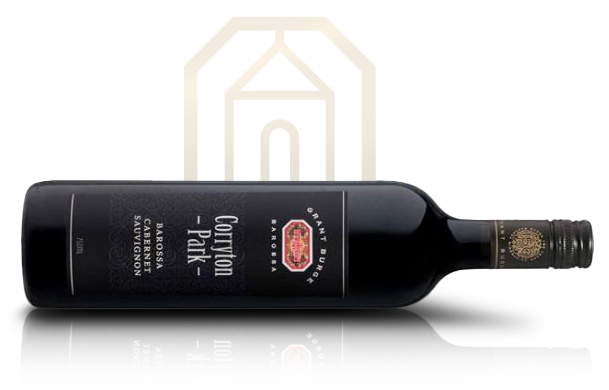 Grant Burge Corryton Park Cabernet Sauvignon 2018 Available for dispatch from Monday 26 October 2026 Stuart McCloskey, tasted 13 October 2026 “Pristine, beautifully preserved and sealed under screwcap. Eight years of evolution, and what a magnificent place this Cabernet finds itself in. In short, an absolute dreamboat of a bouquet. Imagine the classical refinement of Bordeaux meeting the seductive generosity of Australian Cabernet Sauvignon, with just a smidgeon of Burgundian perfume and delicacy thrown in for good measure. It’s a glorious combination… The secondary characters have emerged in the most beguiling fashion. Freshly sharpened pencils, delicate cedar, and the unmistakable fragrance of unsmoked pipe tobacco weave effortlessly through a wonderfully expressive core of ripe mulberry, dark plum and blackcurrant. A gentle suggestion of anise adds another dimension, lending an exotic, almost liquorice-like complexity without ever overwhelming the purity of the fruit. This is the sort of bouquet that reminds me why I adore mature Cabernet Sauvignon. Frankly, I could spend the entire afternoon with my nose buried in the glass. The palate follows the bouquet with remarkable precision. Mulberry, ripe blackcurrant and dark plum return, accompanied by those wonderfully evocative notes of pencil shavings, cedar, anise and unsmoked pipe tobacco. Yet, for all its maturity and complexity, what strikes me most is the freshness. There is a wonderful vitality running through the wine, keeping everything lifted, energetic and beautifully defined. Nothing tired, nothing fading, and certainly nothing suggesting this Cabernet is approaching the end of its journey. The fruit remains wonderfully pure, while the secondary characters provide that additional layer of sophistication that only time in bottle can deliver. And then there is the texture. Goodness me - the tannins are silken, the fruit glossy and the entire experience as smooth as the finest cashmere. There is a seamlessness to the palate - it glides rather than marches, revealing its considerable depth without ever feeling the need to announce it. Confident, certainly, but wonderfully reserved. It possesses that increasingly rare quality of being both generous and restrained, with its authority expressed through poise rather than power. There is no unnecessary weight, no intrusive oak and no suggestion of excess. Just beautifully judged Cabernet Sauvignon, quietly going about its business. What I find particularly compelling is the wine's reflective nature. This is not a Cabernet that reveals everything in the first few minutes, nor is it a wine to be hurried through over dinner. It invites contemplation. It rewards patience. Each return to the glass seems to uncover another subtle detail, another nuance, another reason to linger (I spent an hour with the same glass). There is an almost conversational quality to its evolution, as the ripe fruit gradually gives way to more savoury, earthy and gently spiced expressions. The freshness remains constant, providing a wonderfully precise framework around which everything else revolves. There is something deeply satisfying about a wine that has reached this level of harmony. The exuberance of youth has softened into something altogether more thoughtful and sophisticated, yet none of the original vitality has been sacrificed along the way. It is Bordeaux in its classical structure, unmistakably Australian in its seductive fruit, and almost Burgundian in its aromatic delicacy and textural finesse. Three rather different personalities, all coexisting in perfect harmony. Drink now to 2035. Served using Zalto Burgundy stemware.” RRP £24.99 £19.95 per bottle With Christmas around the corner... 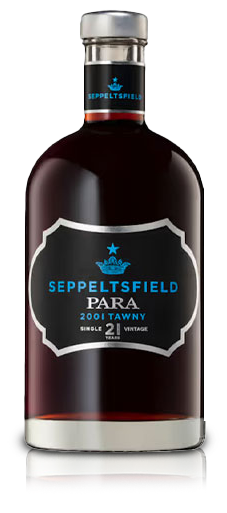 Seppeltsfield Single Vintage Old Para Tawny 2001 97 Points - Dave Brookes, Halliday.com “A single-vintage Para Tawny from the great estate of Seppeltsfield. with 21 years under its belt. Medium tawny in the glass with amber flashes and notes of roasting nuts, candied citrus rinds, burnt toffee, butterscotch, brandy snaps, rancio and Christmas cake, with layers and layers of spice below. Unctuous, with head-spinning complexity and length of finish, with a seam of freshness that drives the flavours across the tongue and off into the distance.” £52.50 per bottle 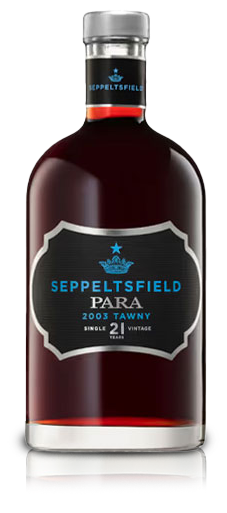 Seppeltsfield Single Vintage Old Para Tawny 2003 19.5 / 20 Points - Matthew Jukes “I was fortunate to taste another Para Tawny, this time a rare 100% Shiraz version of the famous ‘21 Years’ release. I have been a fan of this wine with it appearing in my 100 Best Australian Wines initiative in past editions. I was keen to include it in the 2025 Report but there is no stock currently in the UK. The reason for me mentioning this wine today is that this 2003 vintage is utterly sublime. It shows sensational concentration, complexity and freshness and the layers of fruit and spice appear never-ending. With regard to value for money, this wine must be in the running for the greatest value fortified wine of the moment, and I include all Ports, Maderias and Sherries in this bold statement. This is certainly one of the greatest Paras I have tasted, and I have been lucky to visit the estate and taste a huge number.” 98 Points - Dave Brookes, Halliday.com “Single-vintage tawny from the 2003 vintage, shiraz fortified with brandy spirit and laid down for oxidative aging in old hogsheads. I can sit down and sniff this all day. It constantly shifts, like watching the light and clouds move from a mountain viewpoint. Caramalised dried citrus fruits and rind, rancio, espresso, candied hazelnuts, mahogany, grilled figs sprinkled with brown sugar, praline, layered wood spice, toffee apple, salted caramel, pipe tobacco, brandy snaps and leather. Fresh, viscous and unctuously sweet it unfurls across the palate in slow motion, endlessly complex and rumbles off just as slowly, spice, died fruit and woody tones in its wake.” £48.50 per bottle 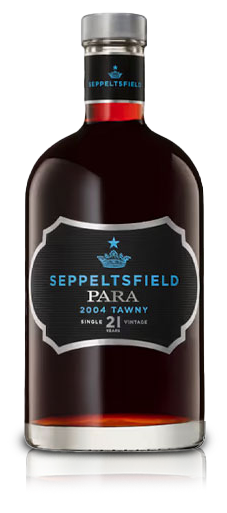 Seppeltsfield Single Vintage Old Para Tawny 2004 Stuart McCloskey, tasted 28 May 2026 “The colour is beautifully deep and glossy with rich mahogany and burnished amber hues. The bouquet is wonderfully expressive from the outset. Layers of toasted walnut, caramelised pecan, raisin, dark treacle and burnt orange peel rise effortlessly before moving toward espresso bean, cinnamon spice, polished oak and Christmas cake richness. There is both generosity and precision here. Impressively, there is virtually no sign of spirit heat or intrusion - everything feels seamlessly integrated and beautifully composed. The complexity and sheer scale of the aromatics are utterly captivating. In truth, I do not need to drink the wine at all. I find myself perfectly content simply swirling the glass and becoming completely lost in the endless aromatic detail - an experience entirely of its own which continuously evolves minute by minute, hour by hour. The palate is sumptuous, textured and wonderfully harmonious. Waves of fig, Medjool date, roasted hazelnut, toffee apple, molasses and mocha glide across the palate with remarkable poise. Importantly, despite the wine’s richness and concentration, freshness and energy remain throughout. Nothing feels heavy, cloying or cumbersome. A wine of extraordinary drinkability. The finish rolls on endlessly with lingering notes of walnut, dark caramel, citrus oil and exotic spice echoing quietly across the palate long after the final sip. Serve gently chilled and, from generous stemware - this is a wine which deserves room to move, evolve and breathe. Truly magnificent…” 97 Points - Dave Brookes, Halliday.com “A Para tawny from the 2004 vintage. I can smell this all day. It's constantly moving, like the shadow of clouds moving across a hillside, a play on light and shade, tension and release. Candied citrus fruits, grilled figs sprinkled with brown sugar, fresh dates, rancio, polished leather, mahogany, redcurrant paste, salted caramel, espresso, brandy snaps and toffee apple. It's fresh as a daisy, beautifully balanced and so long, with a sleekness and poised sweetness as it slowly retreats, condensing slowly into its end point. Time for another sip. Tremendous stuff.” £45.00 per bottle   |
